Mineral Rights Value
Mineral rights value depends on four things: where the minerals are, whether they produce, the lease terms, and how much of the tract you own. There is no public price list, so buyers estimate value from production records and nearby activity. Written offers show what yours would bring, and asking for them costs nothing here.
Request offers Free to ask, with no upfront fee and no obligation to sell.
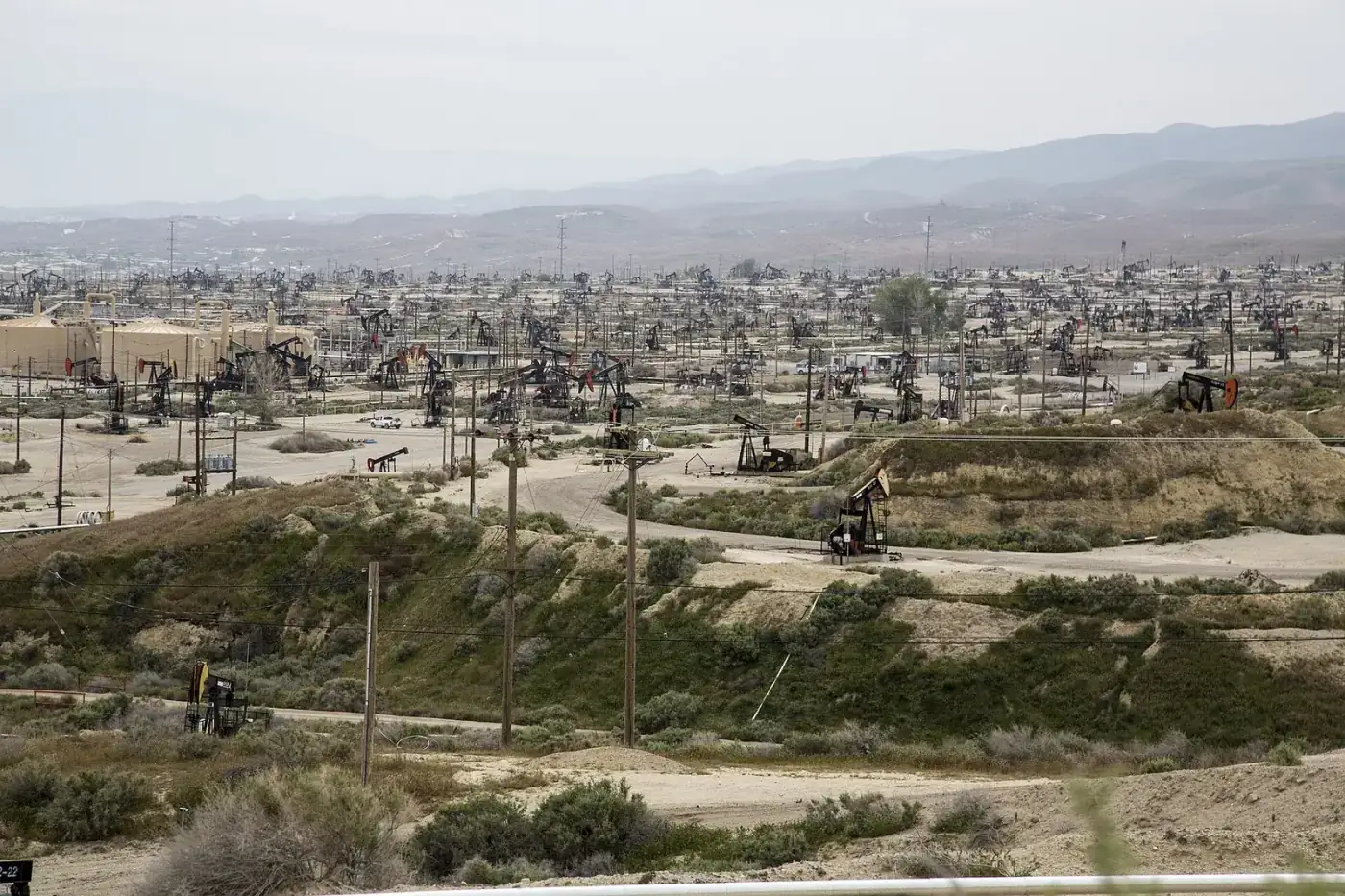
How much are producing mineral rights worth?
A producing interest is valued on its income. Buyers project how the wells will decline, apply a price outlook and discount the result, and often state the offer as a number of months of current income.
Prices, how fast the wells decline and how long they have produced all move that number.
Leased but not drilled
Leased acreage is priced on the odds of a well and the terms of the lease, such as the royalty rate and how long the operator has to drill.
Unleased acreage
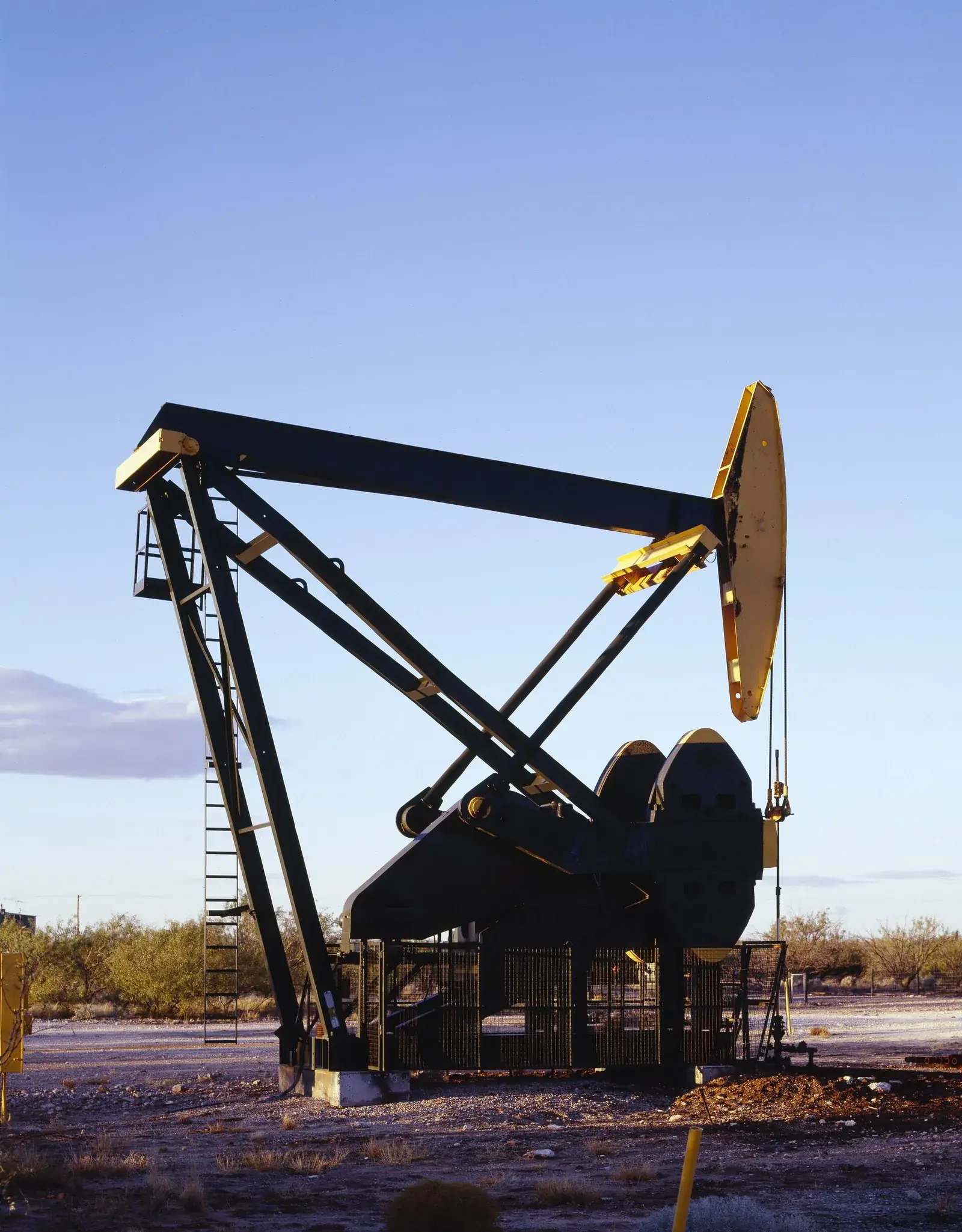
Unleased minerals are priced per net mineral acre on their potential. Recent permits, leasing and wells nearby move that number more than anything on the tract itself. Buyers read the county records and the state regulator’s permit data for that activity.
Check the arithmetic yourself
A royalty check is your decimal times production times price, less taxes and any deductions the lease allows. The Oil and Gas Royalty Calculator (opens in a new tab) works it through step by step, and Oil and Gas Price History (opens in a new tab) shows where prices have been.
Doing it once with your own check stub shows how much each month’s price moves the check.
A formal mineral rights valuation by a petroleum engineer or appraiser uses the same inputs, and estates and courts sometimes require one.
One request. Buyers compete in writing. You call the shots.
Keep a recent check stub or the lease handy if you have one; it helps buyers price an offer, but you can ask without either. Nothing goes to a buyer until we have talked with you. If a buyer has already written to you, tell us; that letter becomes the number every other offer has to beat.

Free for families. You never pay us a dime.
Asking for an offer costs you nothing, and there is no fee when you sell. Usually we buy the interest ourselves, and the offer says so. We may resell it, and that is how we are paid; it never changes the price you agreed.
Your money moves through a licensed title company, escrow agent or closing attorney, never through our hands. Every written offer names its buyer.
Common questions
How are producing mineral royalties valued?
As a multiple of recent monthly income, adjusted for how fast the wells decline, the operator, and the basin. The cleaner and steadier the income, the higher the multiple.
How much are mineral rights worth per acre?
Non producing minerals are priced per net mineral acre, and the range is enormous, from very little to many thousands per acre, depending entirely on recent leasing and drilling nearby. Local comparable sales and written offers give a firmer figure.
Is an offer in the mail a fair value?
Treat it as an opening bid, not a valuation. Unsolicited offers often start low, because the buyer is betting you have not compared. Compare it with other written offers before you decide.
Can I get a mineral rights value without selling?
Yes. You can ask for offers purely to learn the value and keep them on file. There is no obligation to sell, and getting the number costs nothing.
Is selling mineral rights taxed as income or capital gains?
Selling is generally treated as the sale of a capital asset, so federal capital gains rules usually apply, while the royalty income you receive from holding is ordinary income. Inherited minerals often get a stepped up basis that reduces the gain on a later sale. Some owners defer the tax by buying other real property in a 1031 exchange; which mineral interests qualify (opens in a new tab) depends on the kind of interest.
Confirm your own situation with a tax professional.
How do buyers decide what a producing interest is worth?
They project future production, apply expected prices and costs, account for the well's decline, and discount that income back to a value today. It is the same discounted cash flow approach appraisal districts use, which is why a county tax valuation can be a rough check on an offer.
One short form, free, no obligation
Find out what your American soil would bring, before the next letter lands in your mailbox.
Private & discreetWritten offers onlyU.S. escrow closing
Proudly serving all 50 states