Should I Sell My Mineral Rights
Should I sell my mineral rights is a question about what you need now against what the minerals might pay later. Selling turns uncertain future checks into one payment today, while keeping leaves the upside and the risk with you. Asking for offers commits you to nothing, so you can decide with real numbers.
Request offers Free to ask, with no upfront fee and no obligation to sell.
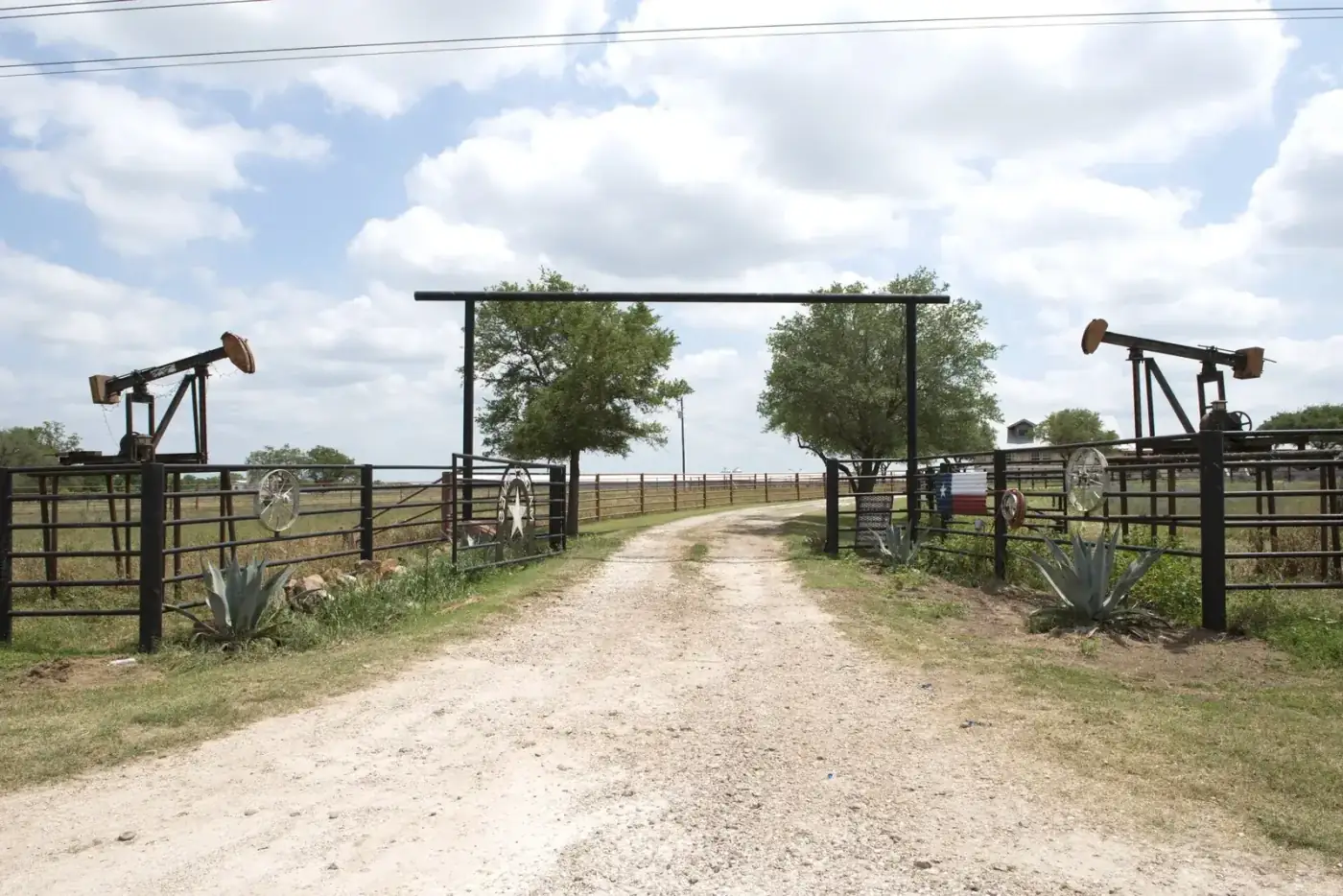
Reasons owners sell
Some owners need cash for a home, a business or retirement. Heirs sell so that one estate is not split into many small interests, and owners with small checks sell to end the paperwork.
Others sell part of an interest to spread their risk and keep the rest.
Reasons owners keep
Steady checks, the chance of new drilling and family history are reasons to keep. You may have heard that you should never sell mineral rights; that advice fits some owners and not others.

Reasons to sell and reasons to keep
| Reasons selling makes sense | Reasons keeping makes sense |
|---|---|
| You want or need cash now | You have steady production income you rely on |
| The interest is speculative or not producing | You believe in future drilling and want the upside |
| It is a large, concentrated part of your net worth | It is a small share you can comfortably hold |
| You do not want to manage leases, taxes, and paperwork | You are comfortable managing the interest |
| You want to simplify your estate for heirs | You want to pass the interest down in the family |
| A sale may be taxed as a capital gain rather than as ordinary royalty income; ask a tax adviser | This year would be a poor time to take a large gain |
Should I sell or lease my mineral rights?
Leasing grants an operator the right to drill in exchange for a bonus and a royalty, and you keep the minerals. Selling transfers the minerals, or part of them, for a price. Some owners lease what they keep after a partial sale.
Sell or keep: a quick check
Six questions about your situation. Nothing is stored and nothing is sent.
Decide with numbers
Compare written offers with what the interest pays now. The Oil and Gas Royalty Calculator (opens in a new tab) turns a decimal and a month of production into a check amount, and Mineral Rights Value explains what moves the price.
One request. Buyers compete in writing. You call the shots.
Keep a recent check stub or the lease handy if you have one; it helps buyers price an offer, but you can ask without either. Nothing goes to a buyer until we have talked with you. If a buyer has already written to you, tell us; that letter becomes the number every other offer has to beat.

Free for families. You never pay us a dime.
Asking for an offer costs you nothing, and there is no fee when you sell. Usually we buy the interest ourselves, and the offer says so. We may resell it, and that is how we are paid; it never changes the price you agreed.
Your money moves through a licensed title company, escrow agent or closing attorney, never through our hands. Every written offer names its buyer.
Common questions
Is selling mineral rights a mistake?
Selling is not a mistake when it matches your situation. It is the right move when you want cash now, the interest is speculative or not producing, it is a large or hard to manage part of your estate, or you simply do not want to deal with leases and taxes. It is usually a poor move when you have steady production income, a long time horizon, and no need for liquidity.
Do I lose my royalties forever if I sell?
Yes. A sale transfers the mineral interest permanently, including all future royalties, bonuses, and any upside from new wells. That is why the decision deserves a real valuation first.
If you want income but also some cash, selling only a fraction of the interest is an option.
Should I never sell my mineral rights?
The phrase never sell is advice, not a rule. Holding can be right for a producing interest you want to keep in the family, but a blanket never sell ignores cases where the money is worth more to you today than an uncertain future stream. The answer is that it depends on liquidity, production, and your own goals.
Can I sell part of my mineral rights and keep the rest?
Yes. You can sell a fraction of your net mineral acres or a portion of the royalty and keep the balance. This raises cash now while leaving you exposed to future upside.
Any retained interest should be written clearly into the conveyance.
Will I owe a lot of tax if I sell?
A sale is generally treated as the sale of a capital asset, so federal capital gains rules usually apply, which are often lower than ordinary income rates that apply to royalty checks. The exact bill depends on your basis and how long you have held the interest. Confirm with a tax professional and see the state tax index.
Why do companies want to buy my mineral rights?
Buyers profit on the gap between what they pay you and the long term value of the production. A producing or soon to be drilled interest is a predictable income stream they can buy at a discount. That is also why the first unsolicited offer tends to run low.
Is the first offer I get a fair price?
Rarely. An unsolicited letter is an opening bid designed to be accepted quickly, not the top of the market. A practical way to test a price is to ask several buyers for written offers on the same interest.
One short form, free, no obligation
Find out what your American soil would bring, before the next letter lands in your mailbox.
Private & discreetWritten offers onlyU.S. escrow closing
Proudly serving all 50 states