Sell Mineral Rights in Colorado
Sell mineral rights in Colorado by asking buyers for written offers before you sign anything. Colorado produced about 173 million barrels of crude oil and about 1.9 trillion cubic feet of marketed natural gas in 2025, according to the U.S. Energy Information Administration. Most activity centers on the Wattenberg field in Weld County, and we take your interest to buyers at no cost to you.
Request offers Free to ask, with no upfront fee and no obligation to sell.
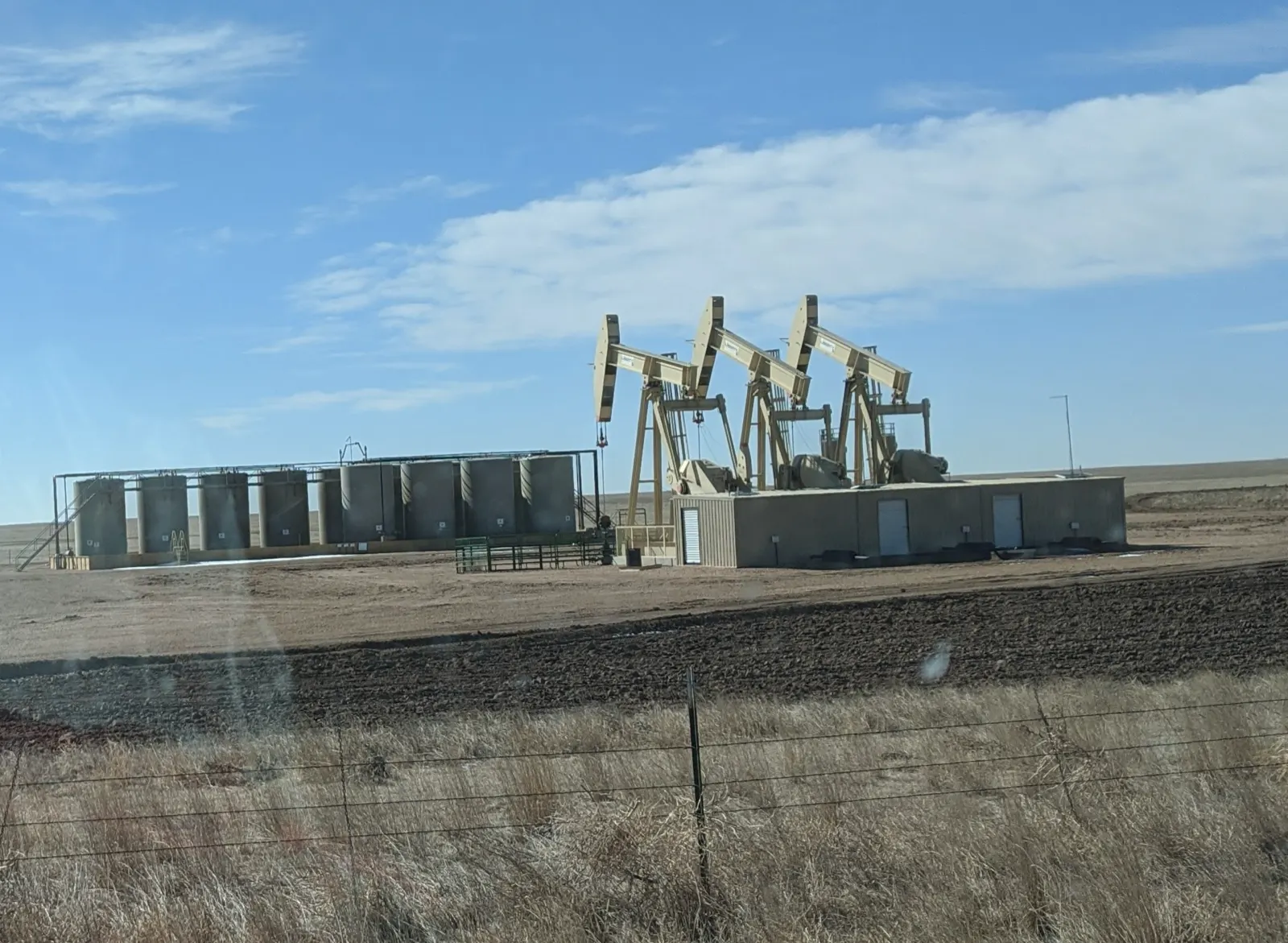
What shapes an offer for Colorado minerals
Buyers price each tract on its own wells and the wells around it, so the Denver Julesburg Basin and its Niobrara play on the Front Range, and the Piceance Basin gas play on the Western Slope are priced differently.
Well and production records are kept by the Colorado Energy and Carbon Management Commission, and your deed is recorded with the county where the land sits.

Colorado rules to know before you sell
No Colorado statute was found that ends a severed mineral interest for nonuse, and no marketable record title act was found. Abandoned Mineral Rights in Colorado (opens in a new tab) gives the statute and its conditions.
Colorado has a forced pooling statute.
Colorado levies a severance tax graduated from 2 to 5 percent of each owner’s gross income from oil and gas, with an exemption for stripper wells and a credit for local property tax, plus a commission charge of up to 1.7 mills per dollar and two production fees set each quarter. Producers or first purchasers withhold 1 percent of gross income from royalty owners, and the owner claims it against the tax on the annual Colorado severance tax return.
Colorado taxes royalty income through its personal income tax. Oil and Gas Severance Tax by State (opens in a new tab) compares every state.
One request. Buyers compete in writing. You call the shots.
Keep a recent check stub or the lease handy if you have one; it helps buyers price an offer, but you can ask without either. Nothing goes to a buyer until we have talked with you. If a buyer has already written to you, tell us; that letter becomes the number every other offer has to beat.

Free for families. You never pay us a dime.
Asking for an offer costs you nothing, and there is no fee when you sell. Usually we buy the interest ourselves, and the offer says so. We may resell it, and that is how we are paid; it never changes the price you agreed.
Your money moves through a licensed title company, escrow agent or closing attorney, never through our hands. Every written offer names its buyer.
Common questions
How do I sell mineral rights in Colorado?
Tell us the county and your interest, add a check stub or lease if you have one, and we ask buyers for written offers. You choose the offer you prefer, or none, and close through a licensed closing or title company.
Does Colorado have a dormant mineral act?
No Colorado statute was found that ends a severed mineral interest for nonuse, and no marketable record title act was found. Read the rule and its sources (opens in a new tab).
Where is oil and gas activity concentrated in Colorado?
Oil and gas activity in the state centers on the Denver Julesburg (DJ) Basin and the Niobrara.
What is a non-participating royalty interest (NPRI)?
An NPRI carries a share of revenue without the right to lease or collect a bonus. Buyers value it on the income it pays, similar to a producing royalty, and it conveys cleanly.
Do I sign a division order before selling?
A division order just verifies your decimal share so the operator pays you right. Signing one to get paid does not commit you to a sale and does not surrender ownership.
Is getting Colorado mineral offers free?
Yes. Asking for offers is free, with no upfront fee and no obligation to sell.
What taxes apply when I sell Colorado minerals?
A sale is generally treated as the sale of a capital asset, so federal capital gains rules usually apply, while royalty checks are ordinary income. Colorado taxes royalty income from Colorado property as part of its income tax; how a gain on a sale is taxed depends on where you live and on Colorado’s rules for nonresidents. State production taxes, where they apply, usually come off the royalty check, and some producing minerals are also taxed locally.
Inherited minerals usually receive a stepped up basis as of the date of death, which can reduce the gain on a later sale. AMR’s state tax reference (opens in a new tab) has the rules and sources; confirm your own situation with a tax professional.
Does Colorado tax oil and gas royalty income?
Yes. Colorado’s income tax reaches royalty income from Colorado property, including for owners who live in another state. If you live elsewhere, your home state may tax the same income.
Federal tax applies on top.
What is the severance tax on oil and gas in Colorado?
Colorado levies a severance tax graduated from 2 to 5 percent of each owner’s gross income from oil and gas, with an exemption for stripper wells and a credit for local property tax, plus a commission charge of up to 1.7 mills per dollar and two production fees set each quarter. Producers or first purchasers withhold 1 percent of gross income from royalty owners, and the owner claims it against the tax on the annual Colorado severance tax return. Rates, exemptions and sources (opens in a new tab).
How do I find out what minerals I own in Colorado?
Check the county recorder where the land sits for the deed, the Colorado Energy and Carbon Management Commission for well and production records, and the state unclaimed property program for any unclaimed royalty money. Our unclaimed royalties finder builds the checklist.
One short form, free, no obligation
Find out what your Colorado soil would bring, before the next letter lands in your mailbox.
Private & discreetWritten offers onlyU.S. escrow closing
Proudly serving all 50 states