Research list
Forced Pooling by State: Which States Allow It, With the Statute (2026)
Forced pooling by state comes down to one statute in each state: whether the oil and gas regulator can join an owner who has not leased into a drilling unit, and on what terms. Here is that statute for the twelve largest producing states, and the finding for all 50 states and D.C., each read on the legislature’s own site.
Where to look first
Forced pooling, also called compulsory pooling or integration, lets a state regulator combine every interest in a drilling unit into one well, with or without each owner’s signature. An owner who does not lease is usually paid a royalty and may be charged a risk penalty out of production. Whether a state can do it, and on what terms, is set by statute.
| Question | Answer |
|---|---|
| How many states have forced pooling? | 39 of 50 states and D.C. have a pooling statute; 12 have none identified |
| Does Texas have forced pooling? | Only narrowly, under the Mineral Interest Pooling Act, which applies in limited cases |
| Does Pennsylvania? | Limited: its 1961 conservation law reaches only wells that go below the Onondaga, not most Marcellus wells |
| Where can the regulator pool on application? | Oklahoma, North Dakota, New Mexico, Colorado, Wyoming and Louisiana, each after notice and a hearing |
How we checked
Each state’s pooling statute was read on the legislature’s own site, or quoted from a court opinion where the code could not be opened, in the Law Atlas review completed on October 1, 2026; the summaries below are that review’s. Where the review found no statute, the state is marked none identified, which is a finding about the code searched, not legal advice.
The twelve states below are the largest producers; every state is in the table that follows them.
1. Texas, pooling in narrow cases
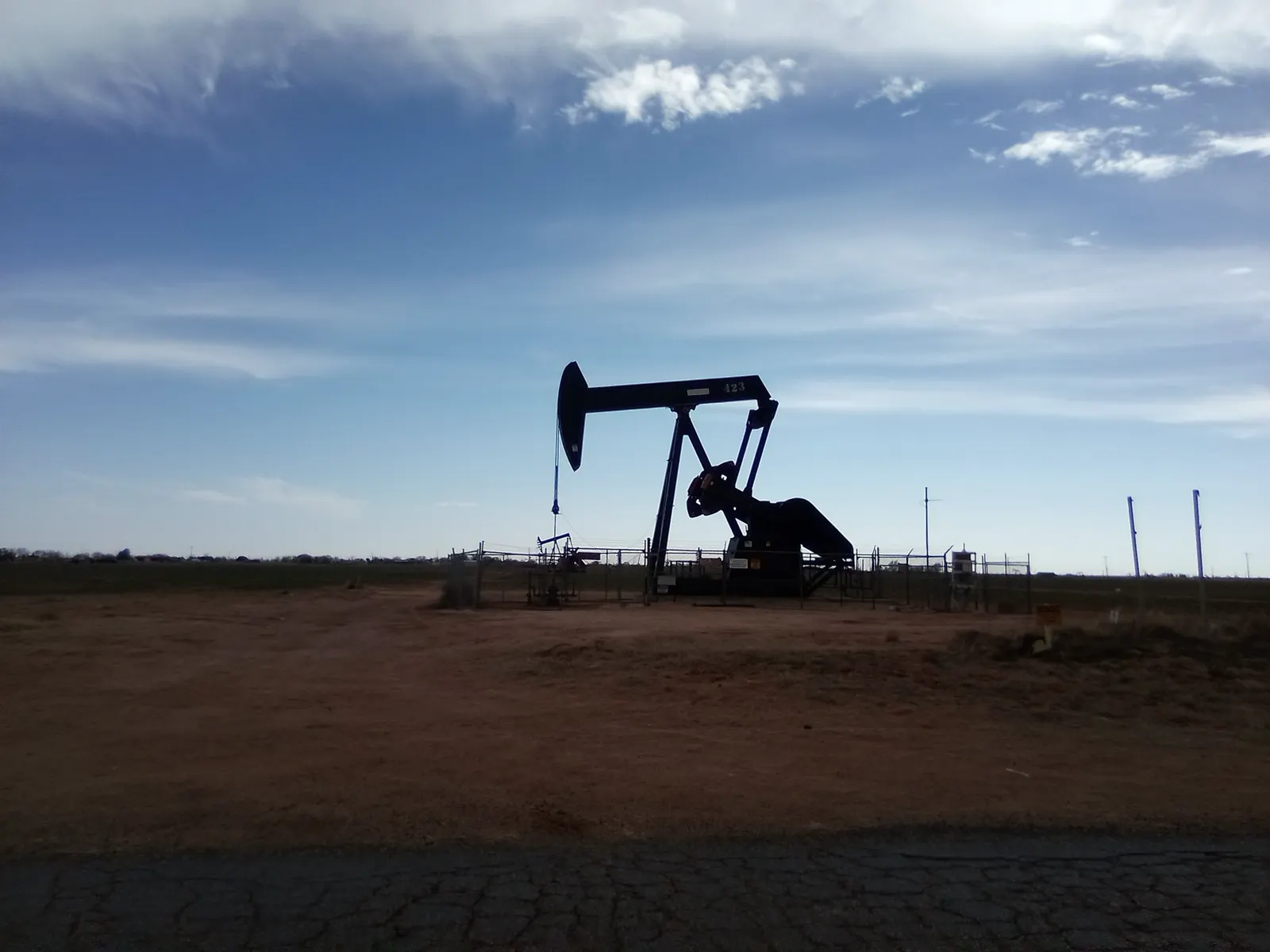
Narrow. Under the Mineral Interest Pooling Act (Natural Resources Code chapter 102, 1977) the Railroad Commission, on application by an eligible owner, must form a unit and pool all interests when separately owned tracts lie in a common reservoir with commission set proration units, the owners have not agreed to pool, and a well has been drilled or proposed; the applicant must first have made a fair and reasonable voluntary pooling offer or the application is dismissed.
- Rule
- Narrow
- Authority
- Tex. Nat. Res. Code 102.011
It covers oil and gas only, excludes reservoirs discovered and produced before March 8, 1961 and land in which the State has an interest unless the General Land Office consents, caps units at 160 acres (oil) or 640 acres (gas) plus 10 percent, and limits the risk charge to 100 percent of drilling and completion costs.
The state’s other mineral law is on AMR’s Texas page.
Read in the Law Atlas review of October 1, 2026
2. New Mexico, pooling by regulator order
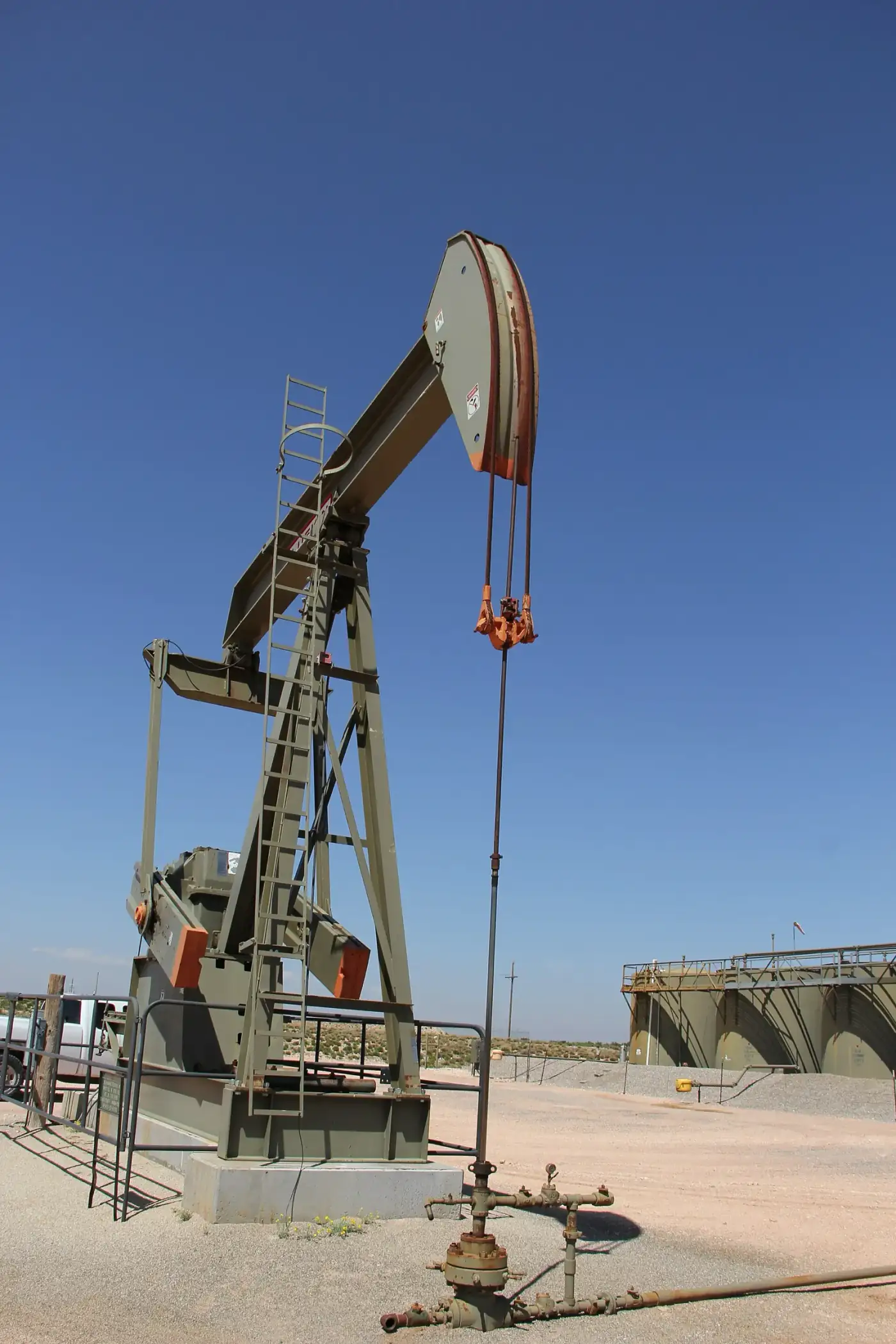
Yes. Under NMSA 1978, 70-2-17(C), where owners in a spacing or proration unit have not agreed to pool and an owner with the right to drill has drilled or proposes a well, the Oil Conservation Division shall pool the unit after notice and hearing.
- Rule
- Yes
- Authority
- NMSA 1978, 70-2-17(C)
A risk charge of up to 200 percent may apply to nonconsenting working interests, and a pooled unleased mineral interest is treated as seven eighths working interest and one eighth royalty.
The state’s other mineral law is on AMR’s New Mexico page.
Read in the Law Atlas review of October 1, 2026
3. North Dakota, pooling by regulator order
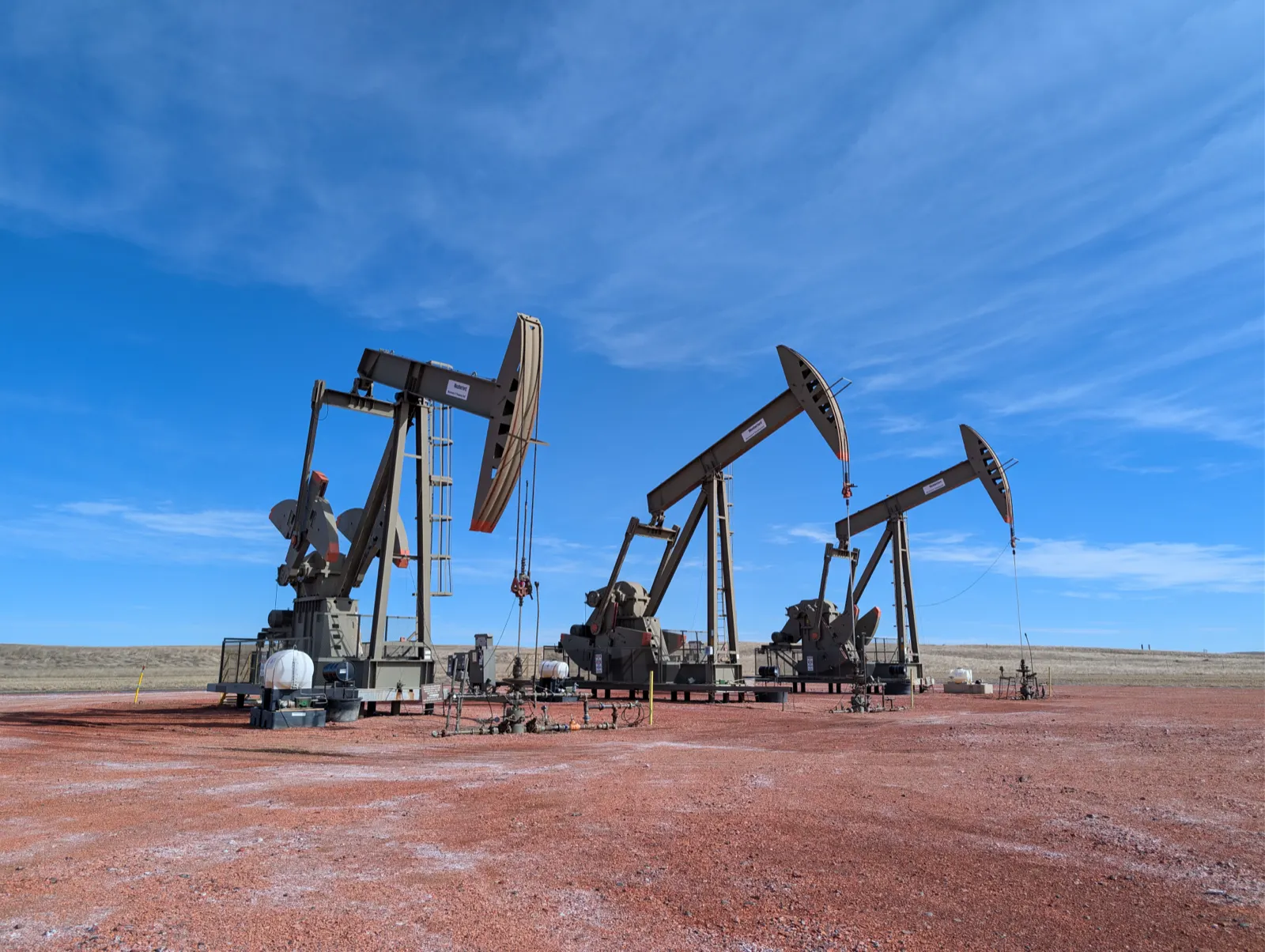
N.D.C.C. 38-08-08 requires the Industrial Commission, in the absence of voluntary pooling and on application of any interested person, to pool all interests in a spacing unit after notice and hearing on just and reasonable terms. A nonparticipating owner bears a risk penalty of 200 percent of its share of drilling and completion costs if leased and 50 percent if unleased, recoverable from production only after a good faith attempt to lease it or obtain its participation and notice of the intended penalty; an unleased interest pooled after July 31, 2009 receives a cost free royalty equal to the acreage weighted average royalty of the leased tracts or, at the operator's election, 16 percent.
- Rule
- Yes
- Authority
- N.D.C.C. 38-08-08(1)
Statutory unitization is separate, under 38-08-09.1 to 38-08-09.16, and a unit order takes effect only when approved by those paying more than 55 percent of unit costs and owners of more than 55 percent of the royalty interests.
The state’s other mineral law is on AMR’s North Dakota page.
Read in the Law Atlas review of October 1, 2026
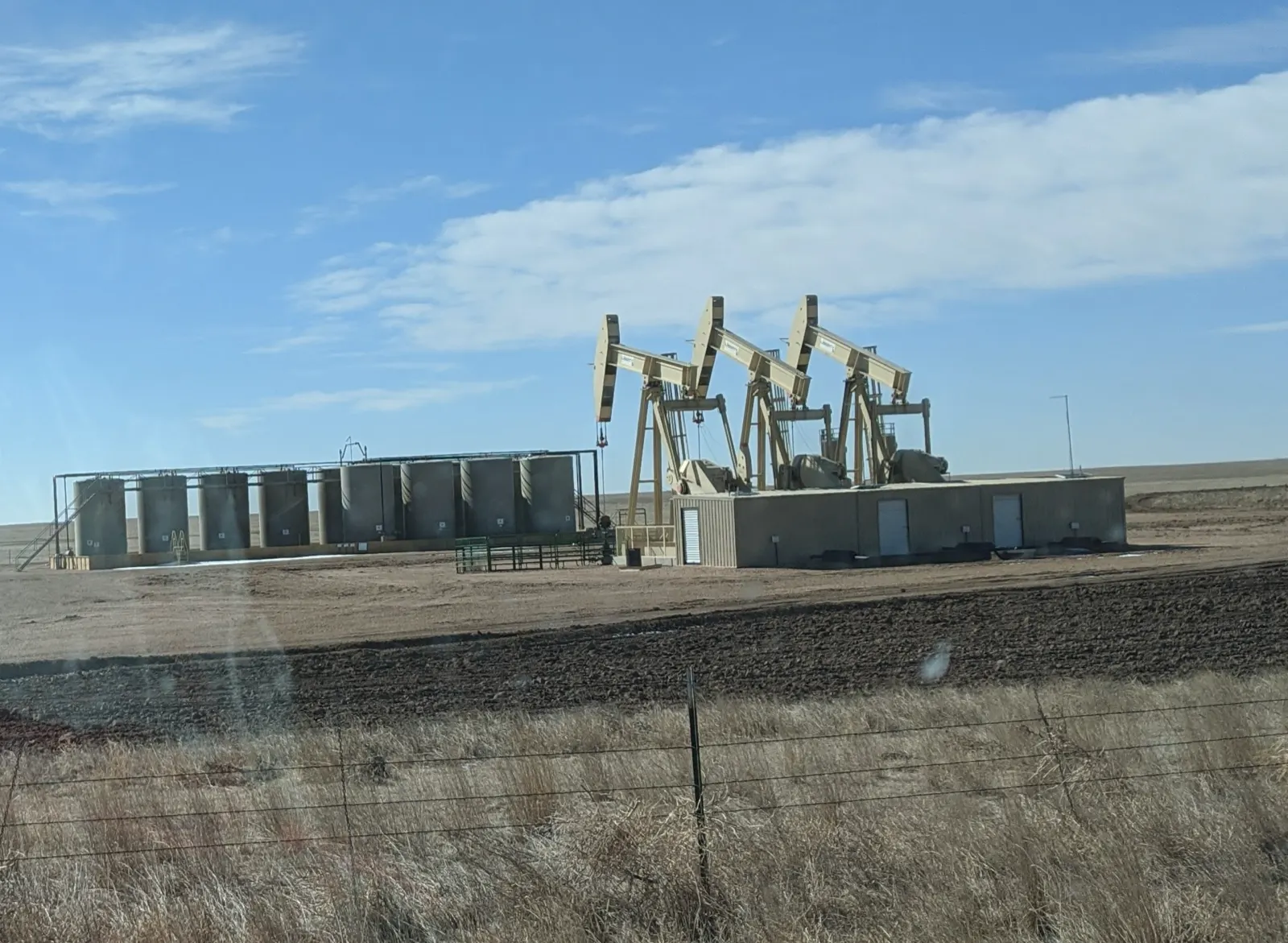
4. Colorado, pooling by regulator order
Yes. Under C.R.S. 34-60-116(6)(b) the commission (now the Energy and Carbon Management Commission) may, after notice and hearing, pool all interests in a drilling unit on application of a person that owns or has the consent of owners of more than 45 percent of the mineral interests to be pooled.
- Rule
- Yes
- Authority
- C.R.S. 34-60-116(6)(b)(I)
An unleased owner cannot be pooled over protest without a reasonable good faith lease offer made at least 60 days before the hearing, and an unleased nonconsenting owner is deemed to hold a 13 percent (gas) or 16 percent (oil) royalty until costs are recovered.
The state’s other mineral law is on AMR’s Colorado page.
Read in the Law Atlas review of October 1, 2026
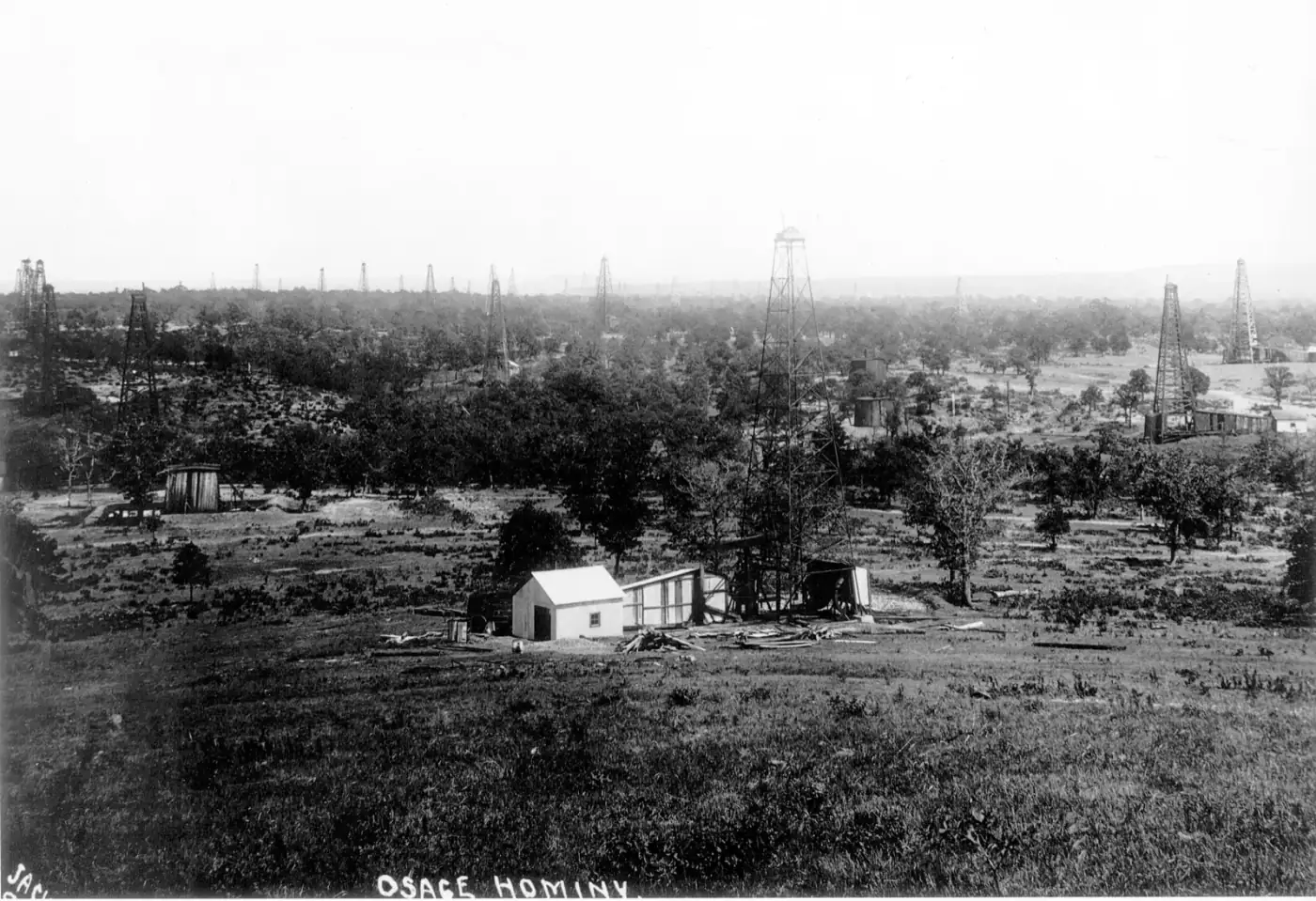
5. Oklahoma, pooling by regulator order
Yes. Where owners in an established spacing unit have not agreed to pool and one owner has drilled or proposes to drill, the Corporation Commission, on application and after notice and hearing, shall require the owners to pool and develop their lands in the unit on just and reasonable terms; an unleased owner is treated as a lessee for seven eighths and a lessor for one eighth until an election under the order (52 O.S. 87.1(e)).
- Rule
- Yes
- Authority
- 52 O.S. 87.1(e)
The Extended Horizontal Well Development Act (52 O.S. 87.6 to 87.9) adds multiunit horizontal wells and horizontal unitization of targeted reservoirs, the latter effective only with written consent of 63 percent of the working interest and 63 percent of the royalty interest in each spacing unit.
The state’s other mineral law is on AMR’s Oklahoma page.
Read in the Law Atlas review of October 1, 2026
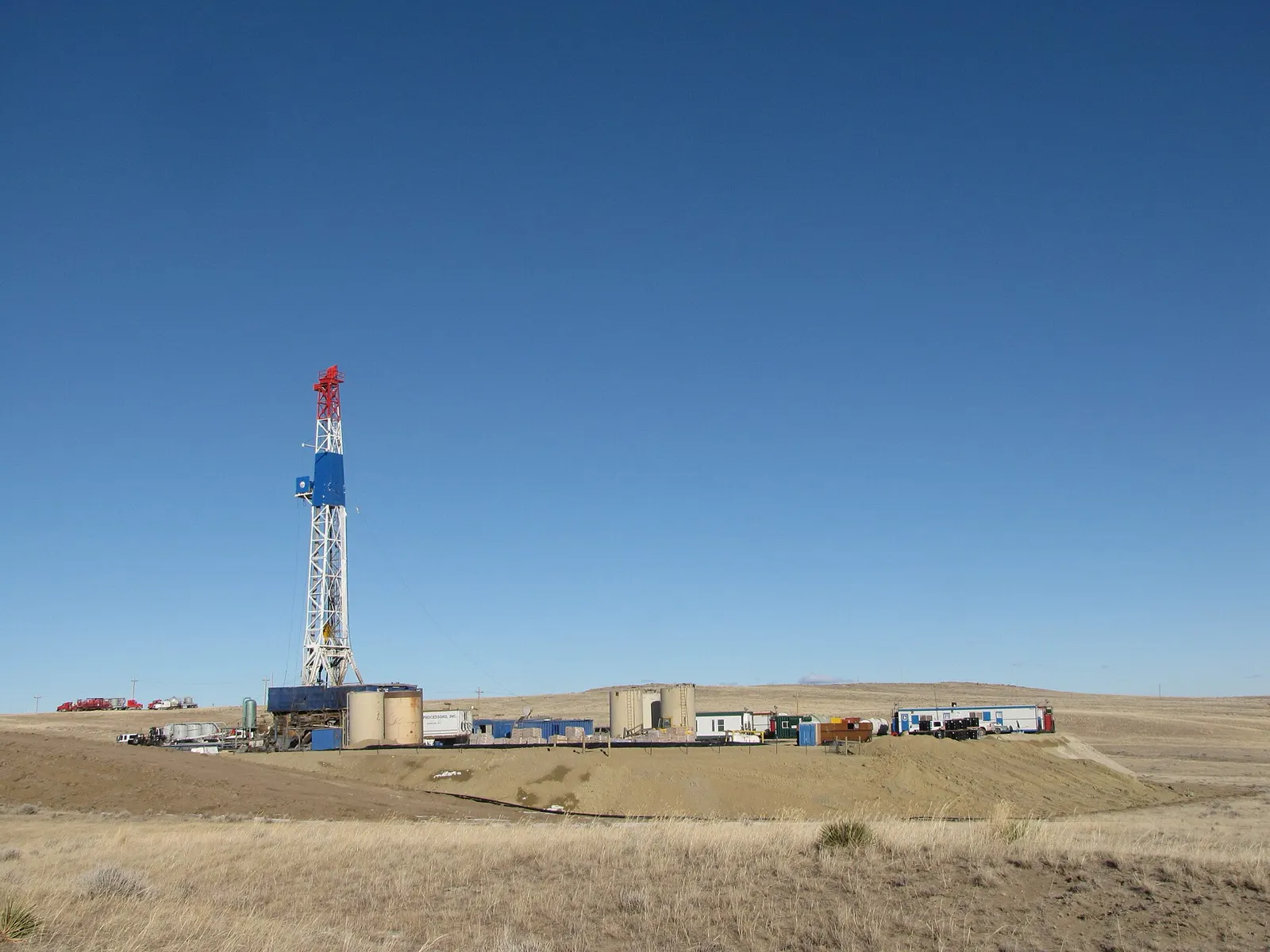
6. Wyoming, pooling by regulator order
Yes. W.S. 30-5-109(f) lets the Oil and Gas Conservation Commission, in the absence of voluntary pooling and after notice and hearing, enter an order pooling all interests in a drilling unit on the application of any interested person, on just and reasonable terms.
- Rule
- Yes
- Authority
- W.S. 30-5-109(f)
A pooling order expires after 12 months if operations have not commenced.
The state’s other mineral law is on AMR’s Wyoming page.
Read in the Law Atlas review of October 1, 2026
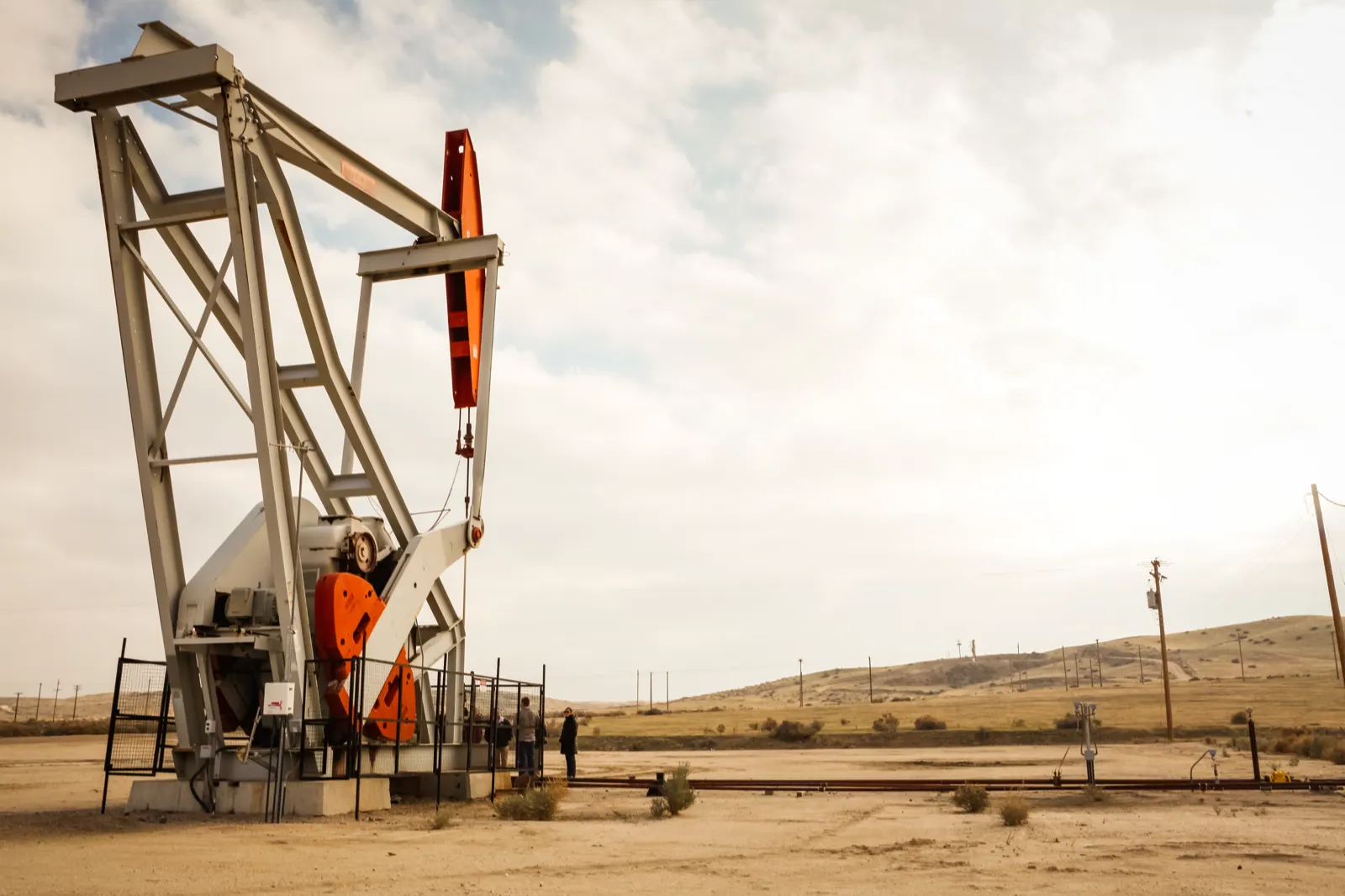
7. California, no general pooling procedure
No general forced pooling procedure for drilling units was found, but three narrower compulsory tools exist in the Public Resources Code. Section 3608 deems a surrounded tract of less than one acre included in the adjoining oil and gas lease once the supervisor records a declaration, with at least a one eighth royalty share; section 3609 lets the supervisor require pooling or unit agreements, including mandatory pooling by regulation, under a spacing plan for pools discovered after it took effect (Stats. 1973, ch. 864); and sections 3640 to 3659 let the supervisor order secondary recovery unit operations binding every owner once three fourths of working and royalty interests consent, with a right for nonconsenting owners to sell.
- Rule
- Narrow tools only
- Authority
- Cal. Pub. Res. Code § 3608
Subsiding areas have a separate compulsory unit procedure (3315 to 3347).
The state’s other mineral law is on AMR’s California page.
Read in the Law Atlas review of October 1, 2026
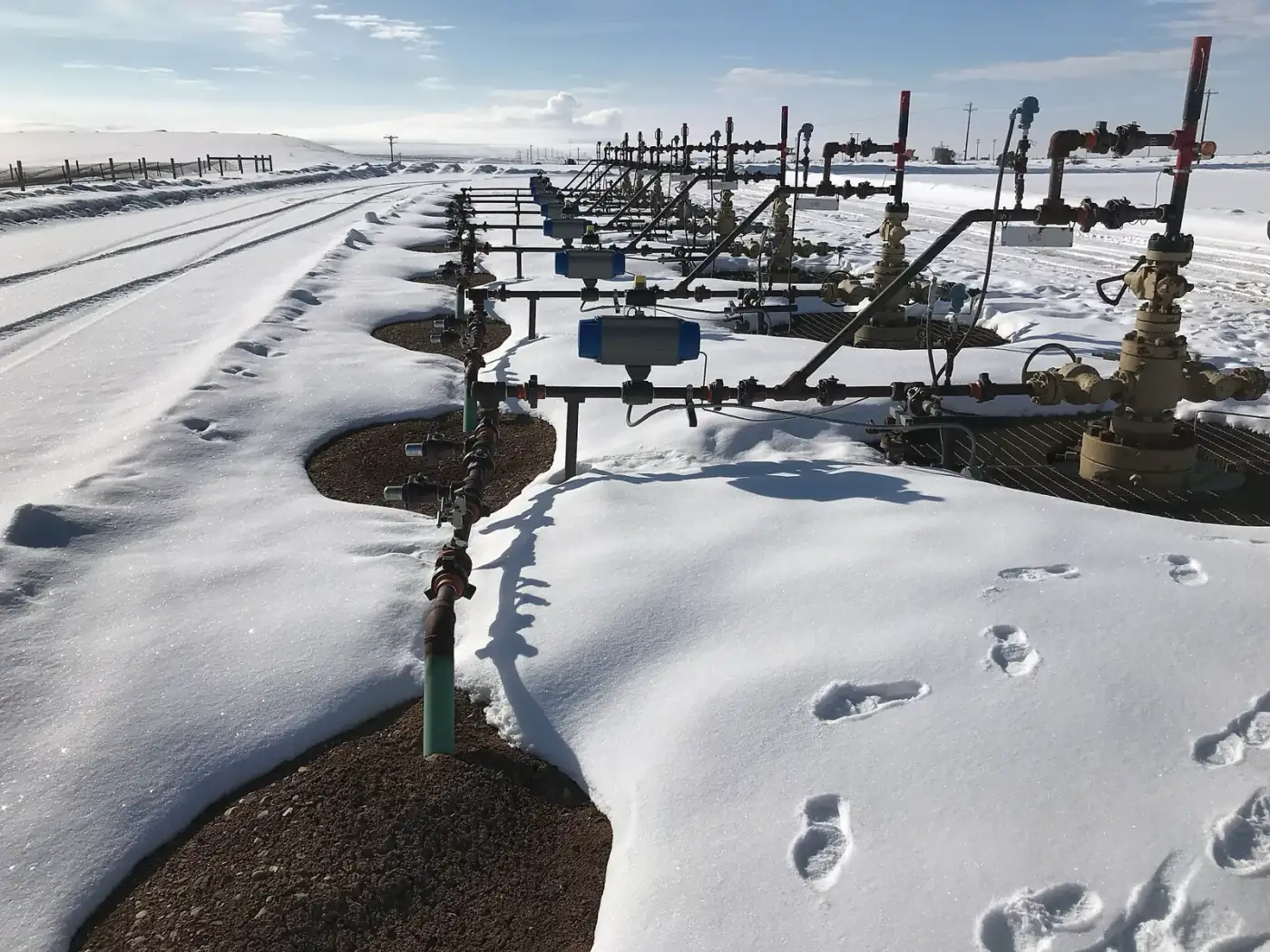
8. Utah, pooling by regulator order
Yes. Under Utah Code 40-6-6.5(2) the Board of Oil, Gas, and Mining may, absent a written pooling agreement, order all interests in a drilling unit pooled on just and reasonable terms.
- Rule
- Yes
Nonconsenting owners bear a cost recovery charge of 150 to 400 percent of drilling costs set by the board, and an unleased nonconsenting owner receives a royalty (the area weighted average landowner royalty, or 16 2/3 percent) until costs are recovered.
The state’s other mineral law is on AMR’s Utah page.
Read in the Law Atlas review of October 1, 2026
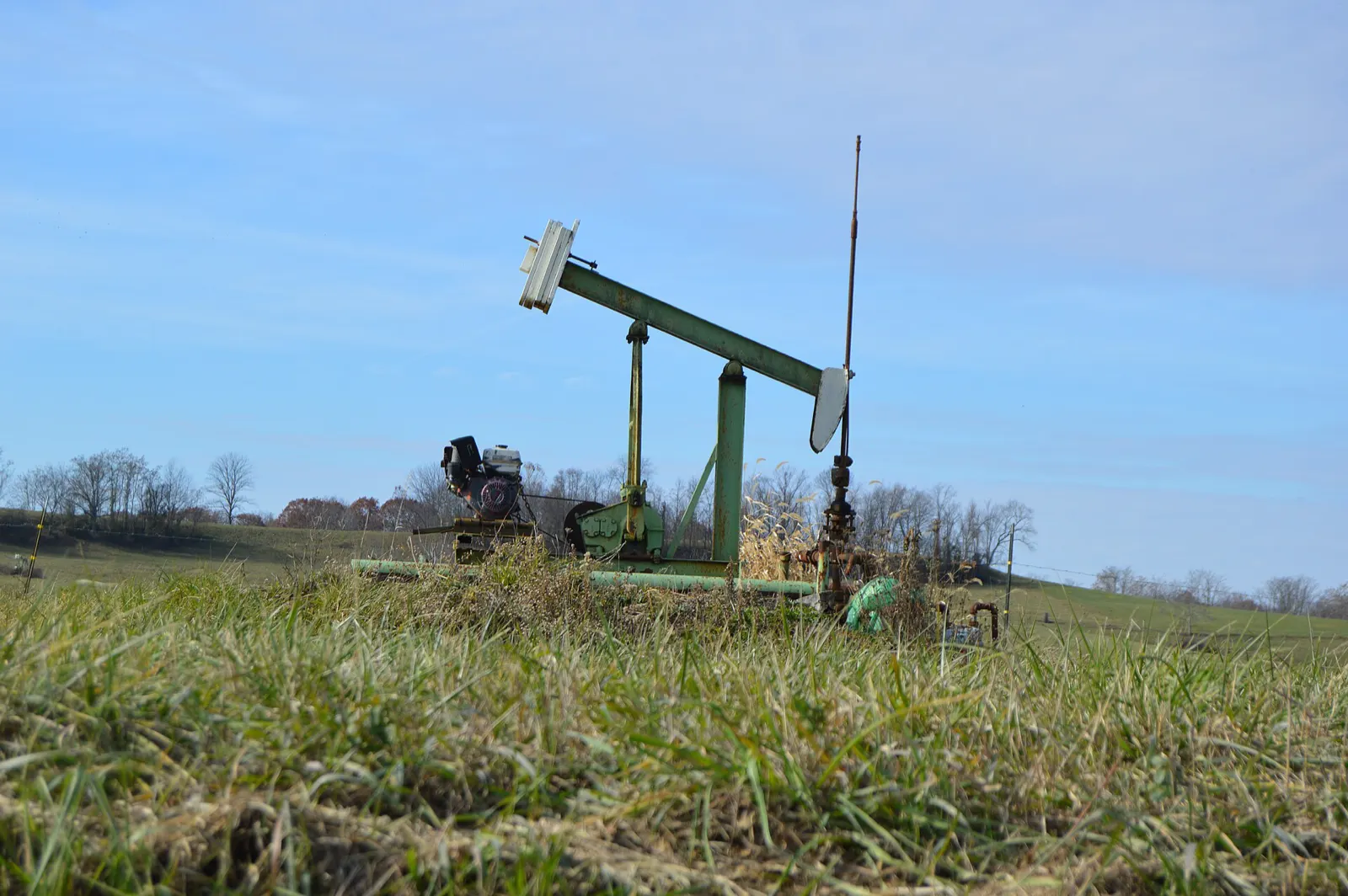
9. Ohio, pooling by regulator order
R.C. 1509.27 lets an owner whose tract is too small or oddly shaped to meet spacing rules, and who cannot form a voluntary drilling unit on a just and equitable basis, apply to the Division of Oil and Gas Resources Management for a mandatory pooling order; after notice to the mineral owners and a hearing or 30 days, the chief may pool the tracts, with a nonparticipating owner's costs recovered from production up to a total of 200 percent of its share of costs, and no surface operations may occur on a pooled tract without the surface owner's written consent or agreement. R.C. 1509.28 separately allows unit operation of a pool on application backed by owners of at least 65 percent of the land area, effective only when approved by owners paying 65 percent of costs and by royalty or unleased fee owners of 65 percent of the acreage.
- Rule
- Yes
The state’s other mineral law is on AMR’s Ohio page.
Read in the Law Atlas review of October 1, 2026
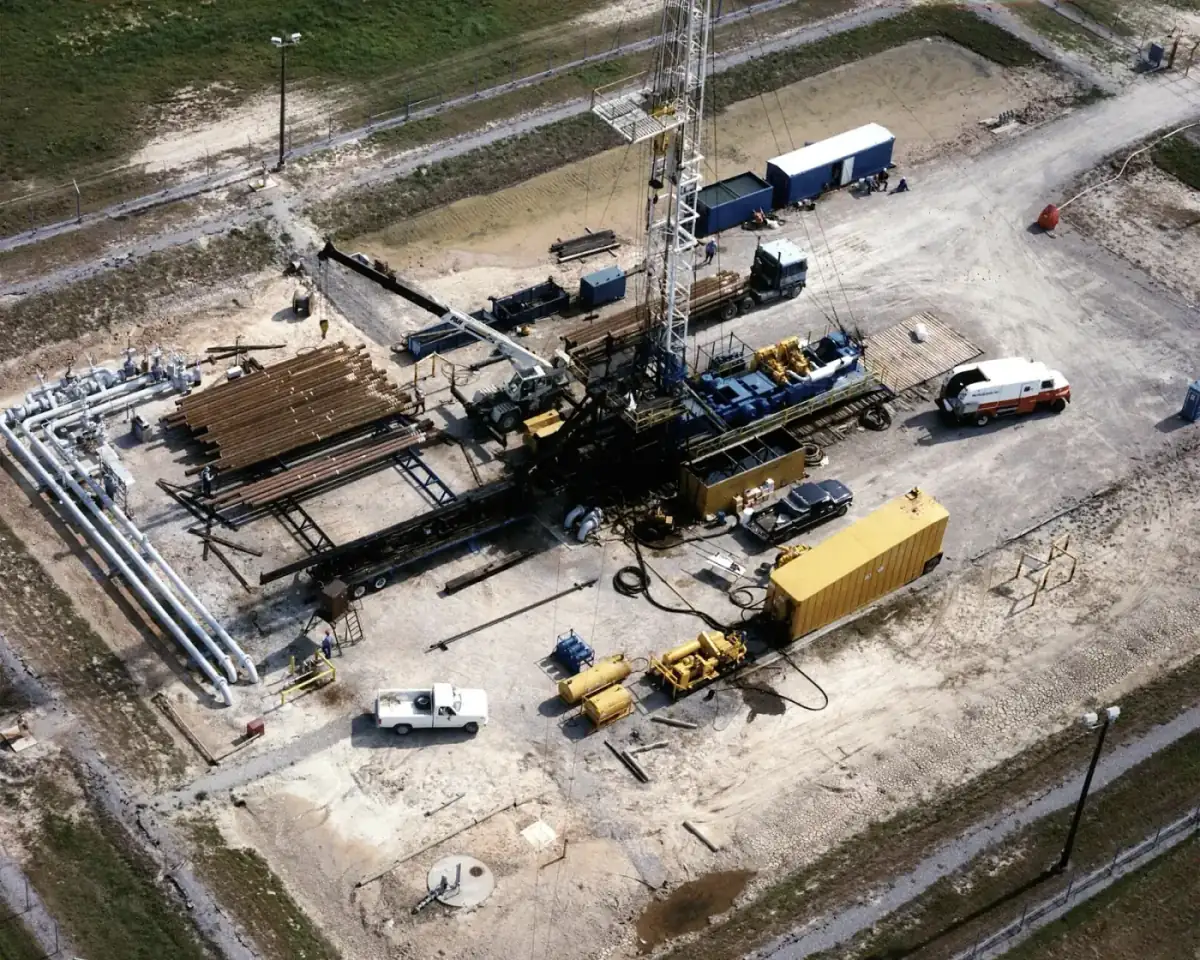
10. Louisiana, pooling by regulator order
Yes. When separately owned tracts lie within a drilling unit established under R.S. 30:9(B) and the owners have not agreed to pool, the commissioner (the state conservation regulator, as named in the text read) shall require them to pool and develop their lands as a drilling unit if necessary to prevent waste or avoid drilling unnecessary wells, by order after notice and hearing on just and reasonable terms; production allocated to each tract is treated as produced from it (R.S. 30:10(A)(1)).
- Rule
- Yes
- Authority
- La. R.S. 30:10(A)(1)
The section also sets cost recovery and risk charge rules for owners who do not participate.
The state’s other mineral law is on AMR’s Louisiana page.
Read in the Law Atlas review of October 1, 2026
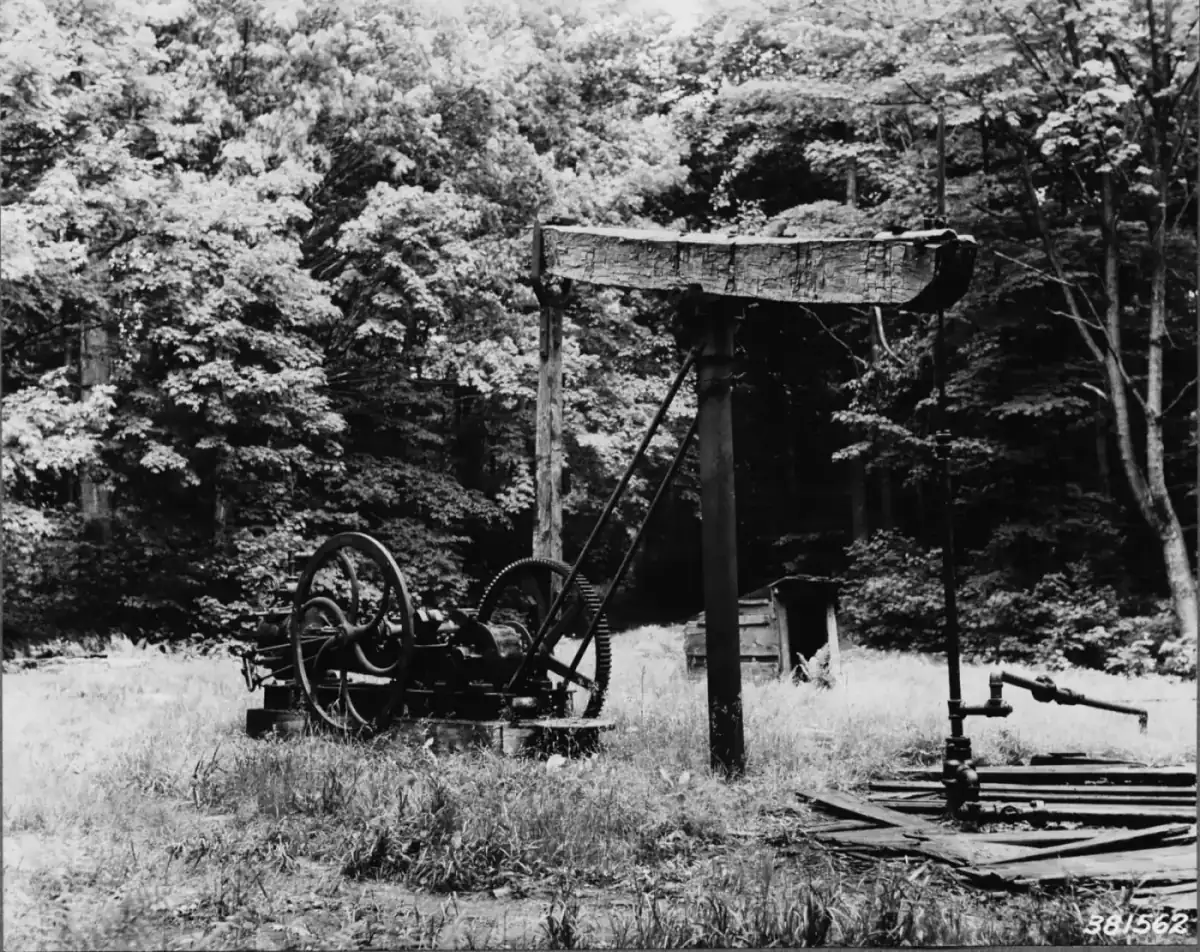
11. Pennsylvania, limited pooling
Limited. The Oil and Gas Conservation Law (Act 359 of 1961) requires the commission, on an operator's application, to integrate all tracts and interests in a spacing unit when owners do not agree, but the act does not apply to wells that do not penetrate the Onondaga horizon (or, where the Onondaga is shallower than 3,800 feet, wells not deeper than 3,800 feet), so it generally does not reach Marcellus Shale wells, which are completed above the Onondaga.
- Rule
- Limited
- Authority
- Act 359 of 1961, section 8(a)
Provisions added in 2013 and 2019 let an operator develop its own contiguous leases jointly and drill across units it already holds, but they do not pool unleased owners.
The state’s other mineral law is on AMR’s Pennsylvania page.
Read in the Law Atlas review of October 1, 2026
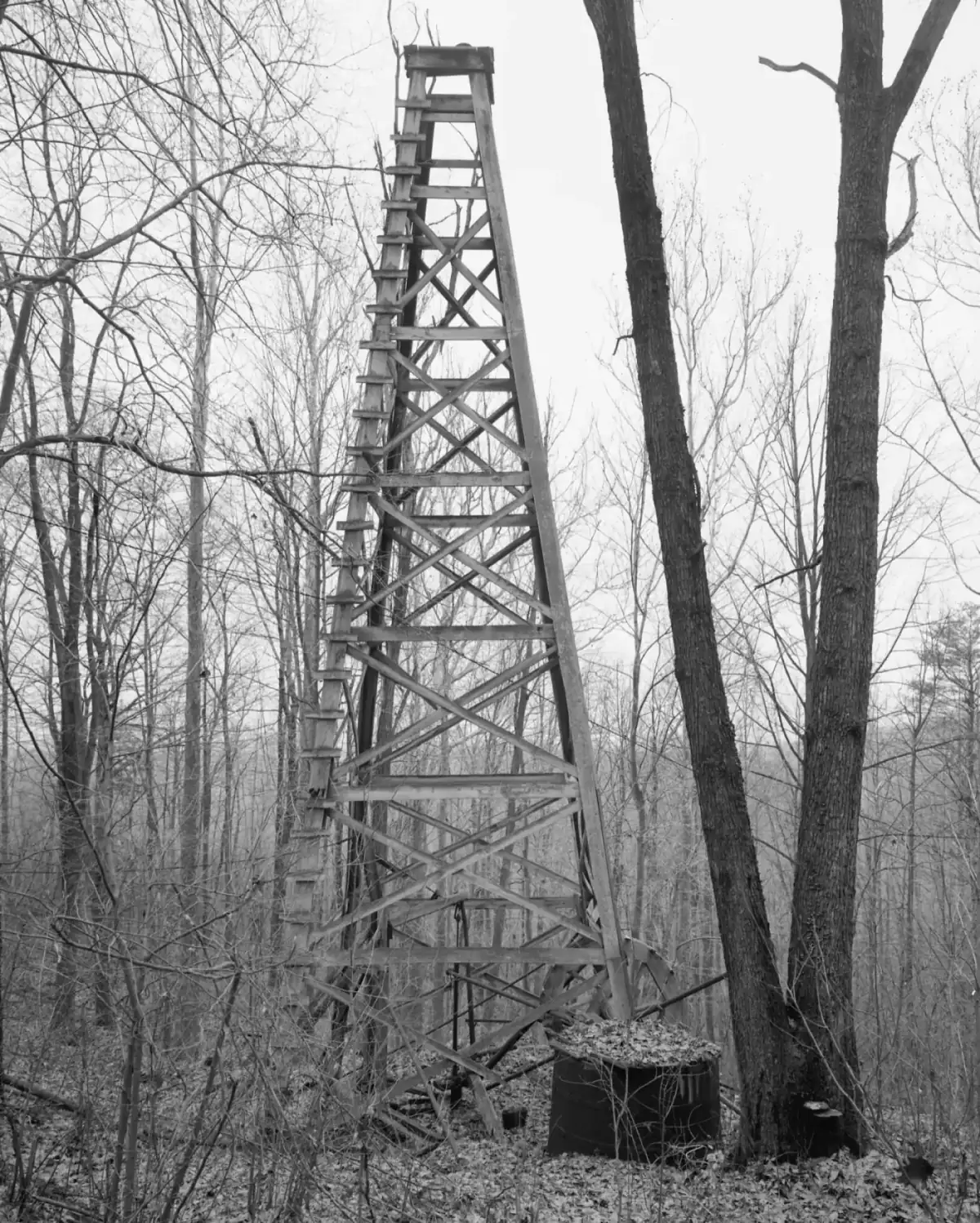
12. West Virginia, pooling for deep and horizontal wells
Yes, for deep wells and horizontal wells. For deep wells (drilled below the top of the uppermost member of the Onondaga Group) the Oil and Gas Conservation Commission, on an operator's application and after notice and hearing, must pool all tracts and interests in a drilling unit on just and reasonable terms, though drilling may not start on an unleased owner's tract without written consent (22C-9-7).
- Rule
- Yes, for deep wells and horizontal wells
- Authority
- W. Va. Code 22C-9-7(b)(1)
Since 2022, for shallow and deep horizontal wells, the commission unitizes a horizontal well unit when the applicant holds consent from royalty owners with 75 percent or more of the net acreage in the target formation plus a 55 percent operator side threshold and has made good faith offers to the rest; unleased unknown and unlocatable owners are deemed to lease (22C-9-7a). Conventional shallow vertical wells are outside the article.
The state’s other mineral law is on AMR’s West Virginia page.
Read in the Law Atlas review of October 1, 2026
All 50 states and D.C.
| Forced pooling | Statute read | |
|---|---|---|
| Alabama | Yes | Ala. Code 9-17-13(a) |
| Alaska | Yes | AS 31.05.100(c) |
| Arizona | Yes | ARS § 27-505(A) |
| Arkansas | Yes | Flywheel Energy Production, LLC v. Arkansas Oil and Gas Commission, 2023 Ark. App. 483, quoting Ark. Code Ann. 15-72-303 |
| California | Narrow tools only | Cal. Pub. Res. Code § 3608 |
| Colorado | Yes | C.R.S. 34-60-116(6)(b)(I) |
| Connecticut | None identified | No statute identified in the review |
| Delaware | None identified | No statute identified in the review |
| District of Columbia | None identified | No statute identified in the review |
| Florida | Yes | Fla. Stat. 377.27(1) (2025) |
| Georgia | Yes | O.C.G.A. § 12-4-45(a)(1) |
| Hawaii | Narrow | HRS § 182-9.5 |
| Idaho | Yes | Idaho Code § 47-320(1) |
| Illinois | Yes | 225 ILCS 725/22.2(b) |
| Indiana | Yes | IC 14-37-9-1(b) |
| Iowa | Yes | 2026 Iowa Acts ch. 1141, § 10 (Iowa Code § 458A.8(2)) |
| Kansas | Yes | K.S.A. 55-1304 |
| Kentucky | Yes | KRS 353.630(2) |
| Louisiana | Yes | La. R.S. 30:10(A)(1) |
| Maine | None identified | No statute identified in the review |
| Maryland | None identified | No statute identified in the review |
| Massachusetts | None identified | No statute identified in the review |
| Michigan | Yes | MCL 324.61513(4) |
| Minnesota | None identified | No statute identified in the review |
| Mississippi | Yes | Miss. Code Ann. 53-3-7(1)(a) |
| Missouri | Yes | RSMo § 259.110(1) |
| Montana | Yes | MCA 82-11-202(1)(b) |
| Nebraska | Yes | Neb. Rev. Stat. § 57-909(1) |
| Nevada | Yes | NRS 522.060(3) |
| New Hampshire | None identified | No statute identified in the review |
| New Jersey | None identified | No statute identified in the review |
| New Mexico | Yes | NMSA 1978, 70-2-17(C) |
| New York | Yes | N.Y. Envtl. Conserv. Law § 23-0901(3) |
| North Carolina | Yes | G.S. 113-393(a); 'Commission' defined in G.S. 113-389(1a) as the North Carolina Oil and Gas Commission |
| North Dakota | Yes | N.D.C.C. 38-08-08(1) |
| Ohio | Yes | R.C. 1509.27 (effective September 29, 2015, House Bill 64, 131st General Assembly) |
| Oklahoma | Yes | 52 O.S. 87.1(e) |
| Oregon | Yes | ORS 520.220(2) |
| Pennsylvania | Limited | Act 359 of 1961, section 8(a) |
| Rhode Island | None identified | No statute identified in the review |
| South Carolina | Yes | S.C. Code § 48-43-340(A) |
| South Dakota | Yes | SDCL 45-9-31 |
| Tennessee | Yes | Lueking v. Cambridge Resources, Inc. (Tenn. Ct. App. Dec. 21, 2012), slip op. 6 to 7, quoting Tenn. Code Ann. 60-1-202(a)(4)(M) |
| Texas | Narrow | Tex. Nat. Res. Code 102.011 |
| Utah | Yes | Utah Code 40-6-6.5(2)(a) (version effective May 8, 2018) |
| Vermont | None identified | No statute identified in the review |
| Virginia | Yes | Va. Code § 45.2-1620(A) |
| Washington | Yes | RCW 78.52.240 |
| West Virginia | Yes, for deep wells and horizontal wells | W. Va. Code 22C-9-7(b)(1) |
| Wisconsin | None identified | No statute identified in the review |
| Wyoming | Yes | W.S. 30-5-109(f) |
Common questions
What is forced pooling?
A regulator’s order that combines all the mineral interests in a drilling unit so one well can drain it, including interests whose owners have not signed a lease.
What happens to an owner who is force pooled?
It depends on the state. Several statutes, Alabama’s, New Mexico’s and North Dakota’s among them, let the operator recover a risk charge from a nonconsenting owner’s share; the entries above give each state’s terms where its statute sets them.
Is forced pooling the same as unitization?
No. Pooling joins tracts into one drilling unit for a well; unitization joins a whole field or reservoir for operations such as waterflooding.
Which states have no forced pooling?
The review identified no pooling statute in 12 jurisdictions, most of them without oil or gas production; the table lists each.
Summary
Most producing states let the regulator pool after notice and a hearing; Texas and Pennsylvania are the large exceptions, each with a narrow statute. The whole record for each state, with dormant mineral law and surface damages, is in AMR’s Mineral Rights by State and its downloads.
Sources
Each state’s statute is linked in its row of the table above, and every source with its pinpoint and access date is in the source register.
Cite this list
American Mineral Registry. "Forced Pooling by State: Which States Allow It, With the Statute (2026)." Release 2026.10.1, October 5, 2026. https:// americanmineralregistry.com/ research/ forced-pooling-by-state
[Forced Pooling by State: Which States Allow It, With the Statute (2026)](https:// americanmineralregistry.com/ research/ forced-pooling-by-state), American Mineral Registry, release 2026.10.1 (October 5, 2026).
<a href="https:// americanmineralregistry.com/ research/ forced-pooling-by-state">Forced Pooling by State: Which States Allow It, With the Statute (2026)</ a>, American Mineral Registry, release 2026.10.1 (October 5, 2026).
@online{amr_forced_pooling_by_state_which_states_allow_it_with_the_statute_2026_2026101,
  author = {{American Mineral Registry}},
  title = {Forced Pooling by State: Which States Allow It, With the Statute (2026)},
  version = {2026.10.1},
  date = {2026-10-05},
  url = {https://americanmineralregistry.com/research/forced-pooling-by-state}
} TY - ELEC AU - American Mineral Registry TI - Forced Pooling by State: Which States Allow It, With the Statute (2026) ET - 2026.10.1 DA - 2026/10/ 05 UR - https:/ / americanmineralregistry.com/ research/ forced-pooling-by-state ER -