Research list
Surface Damage Acts by State: The 18 States With a Statute (2026)
Surface damage acts by state protect the people who own the land above someone else’s minerals. Eighteen states have one; here is what each requires of an operator, with the statute read on the legislature’s own site, and the finding for every other state.
Where to look first
When the minerals and the surface belong to different people, the mineral owner may generally use the surface as reasonably necessary to produce. A surface damage act changes the terms: it requires the operator to give notice, to negotiate, and to pay for damage that the common law alone would not cover.
| Question | Answer |
|---|---|
| How many states have a surface damage act? | 18 of 50 states and D.C., by the Law Atlas review |
| Which large producers have none? | Texas, Louisiana, Pennsylvania, Ohio, California, Kansas; there the lease and the courts govern |
| What do the acts require? | Most require notice before drilling, an offer to negotiate, and payment for damage to crops, land and improvements |
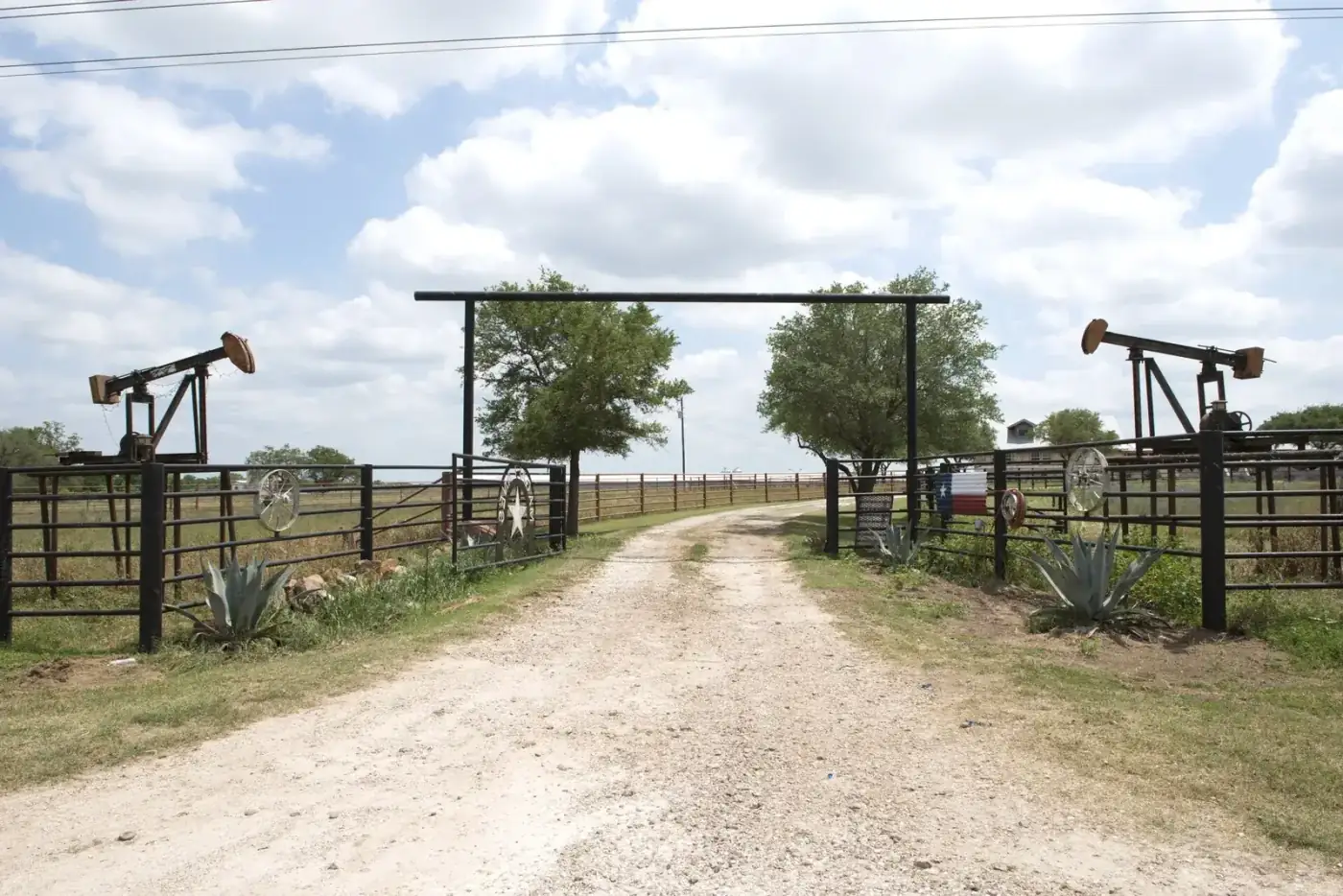
| Oklahoma? | Yes: the Surface Damages Act, 52 O.S. 318.2 to 318.9, in force since July 1, 1982 |
How we checked
Each statute was read on the legislature’s own site in the Law Atlas review completed on October 1, 2026, and the summaries below are that review’s. One entry, Tennessee, rests on a court’s description because the code text could not be read, and it says so. A state marked none identified had no statute found in the code searched.
1. Alaska, a surface owner statute
Limited to minerals the state reserved when it conveyed state land (AS 38.05.125): the state and its lessees, including oil and gas lessees, may not exercise the reserved rights until they provide full payment to the owner of the land for all damages from entry; if the owner refuses or neglects to settle, they may enter after posting a bond set by the director and a court determines damages (AS 38.05.130). No statute was found for privately severed or federally reserved minerals.
- Rule
- Statute found
- Authority
- AS 38.05.130
The state’s other mineral law is on AMR’s Alaska page.
Read in the Law Atlas review of October 1, 2026
2. Colorado, a surface owner statute
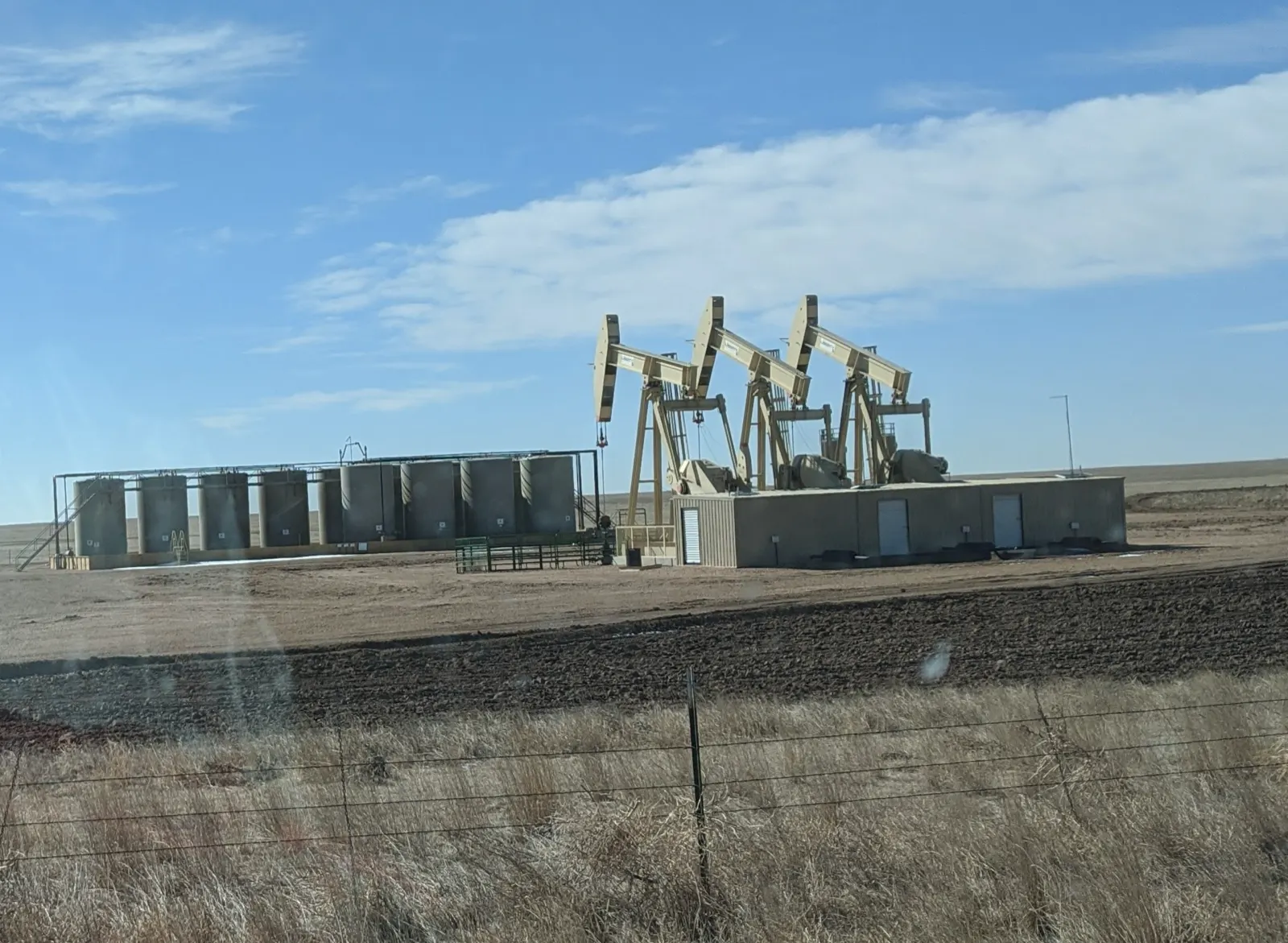
Colorado has surface owner protections in the Oil and Gas Conservation Act, though not a stand alone surface damage act: operators must give the surface owner written notice of drilling at least 30 days ahead (34-60-106(14)), the commission must require security to protect a surface owner who was not a party to the lease from unreasonable crop losses or land damage (34-60-106(3.5)), and an operator who fails to accommodate the surface owner faces a cause of action for compensatory damages (34-60-127).
- Rule
- Statute found
- Authority
- C.R.S. 34-60-106(3.5)
The state’s other mineral law is on AMR’s Colorado page.
Read in the Law Atlas review of October 1, 2026
3. Hawaii, a narrow statute
Narrow. HRS § 182-3 requires every holder of a state mining lease, where minerals by definition include oil, gas and geothermal resources, to post a bond conditioned on full payment of damages to occupiers, meaning surface fee owners and certain state lessees and assignees.
- Rule
- Narrow
- Authority
- HRS § 182-3(a)
Occupiers are reimbursed the full extent of damage from mining operations, including exploratory work and failure to restore, and may elect arbitration of damages and surface rental. It applies only to leases of minerals owned or reserved by the State, not to private mineral development.
The state’s other mineral law is on AMR’s Hawaii page.
Read in the Law Atlas review of October 1, 2026
4. Idaho, a surface owner statute
Idaho Code 47-334 (added 2017, amended 2023) lets an oil and gas owner or operator use the surface as reasonably necessary but requires it to mitigate effects, minimize interference, and compensate the surface landowner for unreasonable crop loss, loss of value to existing improvements and permanent damage to the surface. Either side may request nonbinding mediation, and unless the surface owner is party to a lease, surface use agreement or waiver, the operator must post a surface use bond of at least 6,000 dollars per well site before the drilling permit is approved.
- Rule
- Statute found
- Authority
- Idaho Code § 47-334(3)(c)
Separately, 47-708 makes lessees of state mineral leases compensate surface owners.
The state’s other mineral law is on AMR’s Idaho page.
Read in the Law Atlas review of October 1, 2026
5. Illinois, notice and compensation by statute
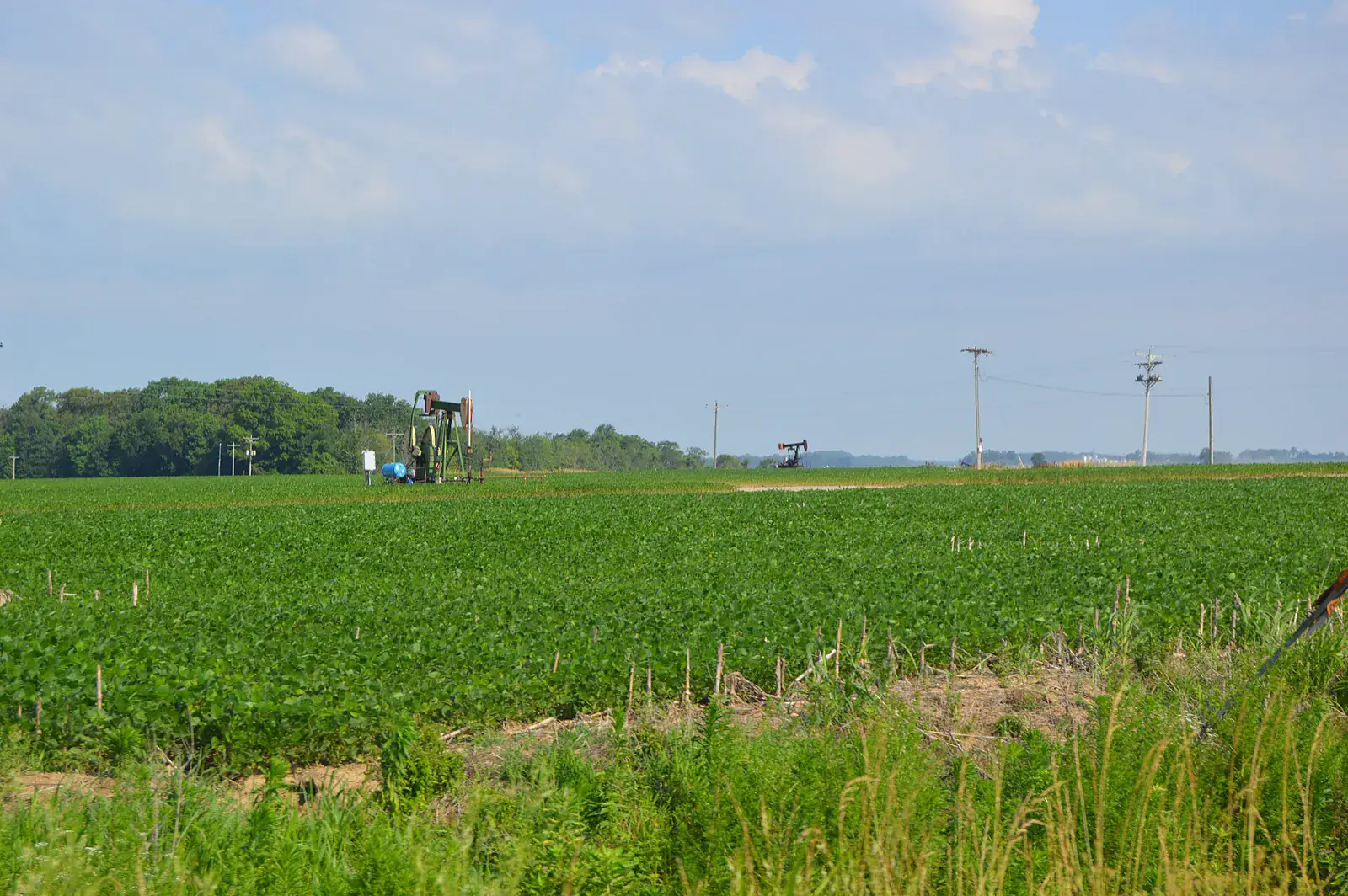
Yes. The Drilling Operations Act (765 ILCS 530) requires the operator of a new oil or gas well to give the surface owner, identified from the assessor's certification, a copy of the act and written notice at least 15 days before drilling, with an offer to meet about roads, entry points, pits, fences, water, trees and drainage (Secs.
- Rule
- Yes
- Authority
- 765 ILCS 530/6(A)(1), (B)
4, 5). The surface owner is entitled to reasonable compensation for damage to crops, trees, fences, roads, structures, improvements, personal property and livestock, for lost commercial crop value on land used for roads and equipment, and for negligent damage to soil productivity; the operator must tender payment within 90 days after completion of the well or owe attorney fees, and must restore the surface at plugging (Sec. 6). It applies to new wells where the surface owner has not consented in writing and the oil and gas are completely severed or the surface owner's interest is subject to integration (Sec. 3, read only in an unofficial mirror).
The state’s other mineral law is on AMR’s Illinois page.
Read in the Law Atlas review of October 1, 2026
6. Indiana, notice and compensation by statute
Yes. A person who enters land to explore for or produce oil and gas is accountable to the surface owner for actual damage to the surface, improvements and growing crops, including marketable timber, drainage and erosion control systems and verified crop damage from compaction, abnormal flooding or erosion, but not for punitive damages; a well may not be located within 200 feet of an existing house, barn or other structure (except fences) without the owner's consent, and damages from installing equipment are payable (IC 32-23-7-6(3), (4)).
- Rule
- Yes
- Authority
- IC 32-23-7-6(3)
Since 2011 an oil and gas or coal bed methane mineral owner must give the surface owner written notice at least 5 days before entering to survey a drilling location, except in an emergency or by agreement (32-23-7-6.5).
The state’s other mineral law is on AMR’s Indiana page.
Read in the Law Atlas review of October 1, 2026
7. Iowa, a surface owner statute
New Iowa Code 458A.26 (2026 Iowa Acts chapter 1141, S.F. 2490, effective July 1, 2026) requires an operator to obtain the surface owner's written permission before entering a site subject to a 458A.8 pooling order, or within an exploratory spacing unit, for an oil and gas operation, and to negotiate and sign a written contract for payment of damages before entering with heavy equipment to drill; without agreement it may not enter to drill. A surface owner may opt out of further contact by notice to the operator and the attorney general, and contact after opt out carries a civil penalty of at least 10,000 dollars per violation.
- Rule
- Statute found
Sites outside pooling orders and exploratory spacing units are not covered.
The state’s other mineral law is on AMR’s Iowa page.
Read in the Law Atlas review of October 1, 2026
8. Kentucky, notice and compensation by statute
Yes. KRS 353.595 (1990) applies to new oil or gas wells where the oil and gas are fully severed from the surface, or the surface owner owns part of the oil and gas, and the surface owner has not consented in writing.
- Rule
- Yes
- Authority
- KRS 353.595(5)
The operator must give written notice before drilling and offer to meet, and the surface owner is entitled to reasonable compensation for damage to crops, trees, fences, roads, structures, improvements and livestock, tendered within 90 days after completion, with attorney's fees if the operator fails to tender or tenders unreasonably (unless it relied on a third party appraiser).
The state’s other mineral law is on AMR’s Kentucky page.
Read in the Law Atlas review of October 1, 2026
9. Montana, notice and compensation by statute
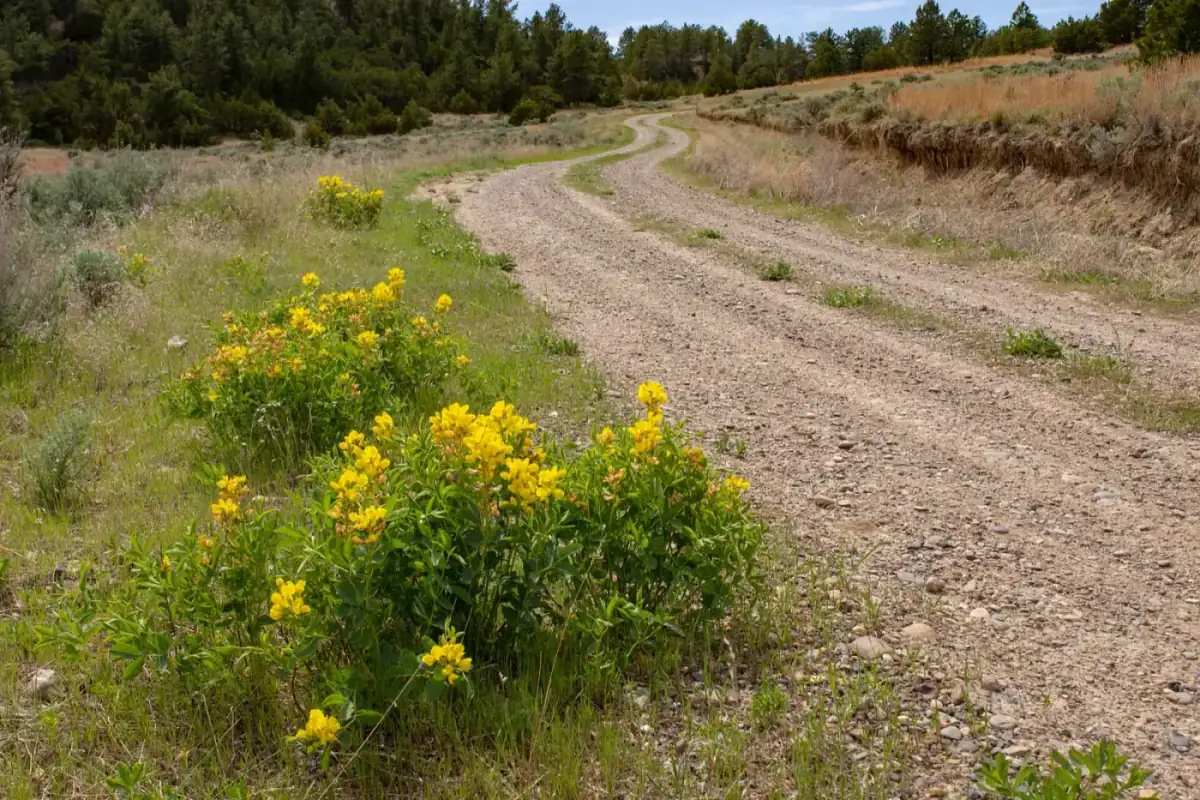
Yes. MCA 82-10-501 to 82-10-511 (Surface Owner Damage and Disruption Compensation) require written notice to the surface owner 20 to 180 days before surface disturbing activity, require the operator to pay for loss of agricultural production and income, lost land value and lost value of improvements, and make the operator responsible for damage to property caused by oil and gas operations.
- Rule
- Yes
- Authority
- MCA 82-10-504(1)(a)
The state’s other mineral law is on AMR’s Montana page.
Read in the Law Atlas review of October 1, 2026
10. New Mexico, notice and compensation by statute
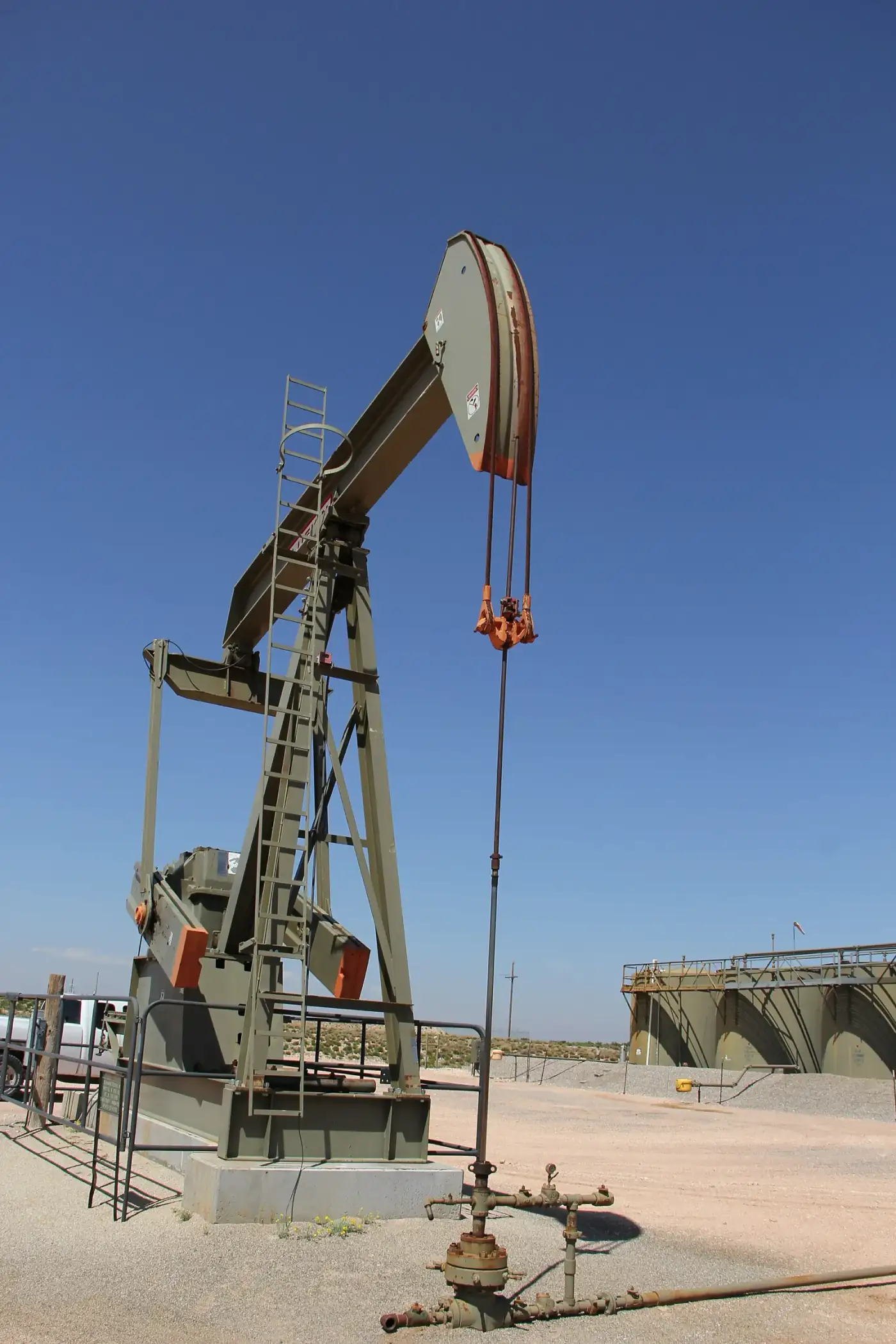
Yes. The Surface Owners Protection Act (NMSA 1978, 70-12-1 to 70-12-10, effective July 1, 2007) applies to private fee surface land, requires notice and a proposed surface use and compensation agreement at least 30 days before entry for oil and gas operations, and requires the operator to compensate the surface owner for lost agricultural production and income, lost land value, lost use and access, and lost value of improvements, and to reclaim.
- Rule
- Yes
- Authority
- NMSA 1978, 70-12-4(A)
The state’s other mineral law is on AMR’s New Mexico page.
Read in the Law Atlas review of October 1, 2026
11. North Carolina, a surface owner statute
Part 3 of Article 27 of Chapter 113 (Landowner Protection) requires an oil or gas developer or operator that is not the surface owner to give the surface owner written notice by certified mail 14 days before entry that does not disturb the surface and 30 days before entry that does (G.S. 113-420), to compensate the surface owner for damage to water supplies, personal property, livestock, crops and timber, to reclaim the surface within two years under a bond, and to replace contaminated water, with a presumption of liability for contamination within one half mile of a wellhead (G.S. 113-421), to indemnify the surface owner (G.S. 113-422), and to minimize intrusion on the surface (G.S. 113-423.1). The current text came from S.L. 2012-143 and applies to wells drilled and leases or contracts entered into on or after July 2, 2012.
- Rule
- Statute found
- Authority
- G.S. 113-420(b)
The state’s other mineral law is on AMR’s North Carolina page.
Read in the Law Atlas review of October 1, 2026
12. North Dakota, a surface owner statute
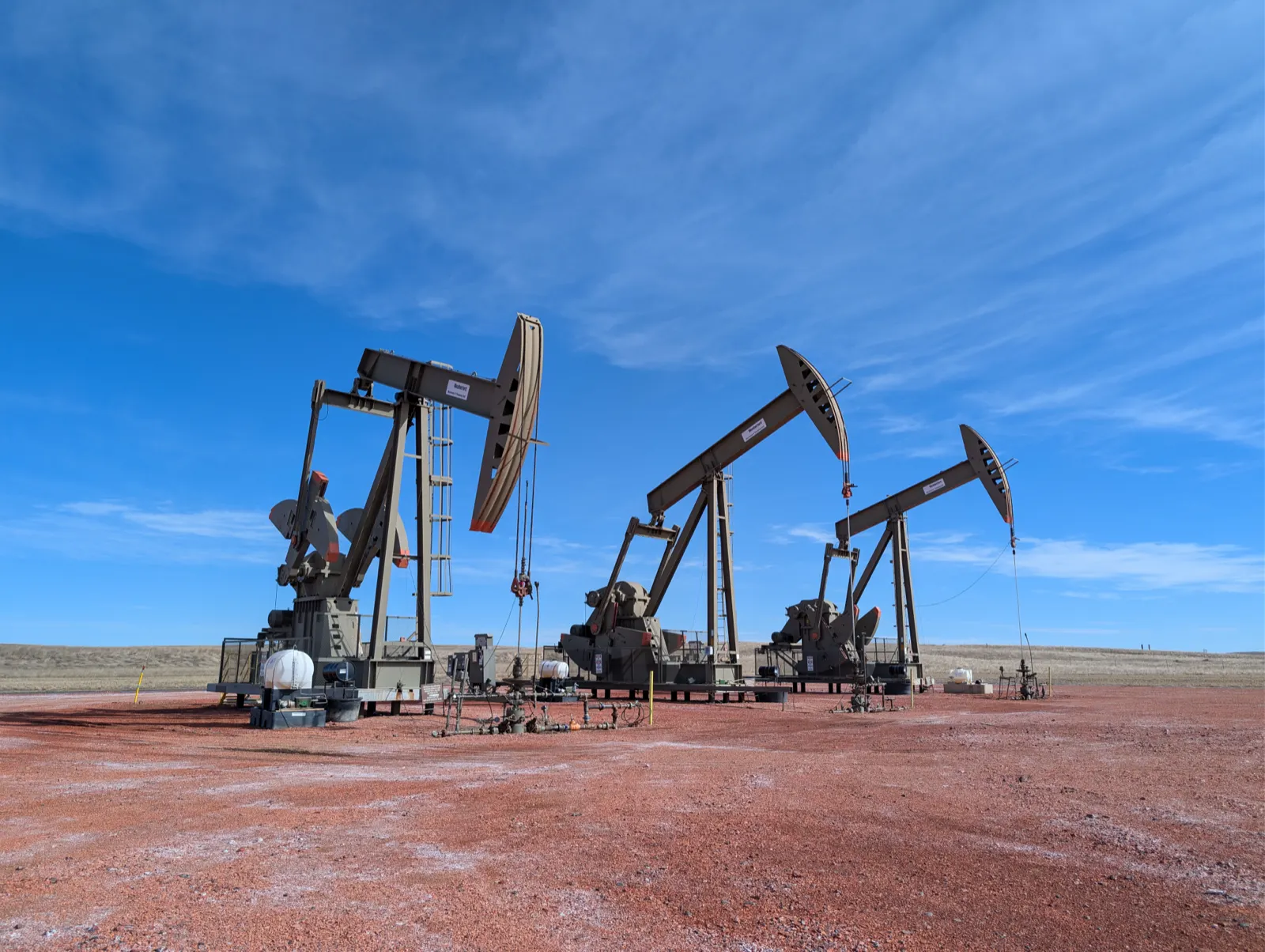
N.D.C.C. chapter 38-11.1 (Oil and Gas Production Damage Compensation) requires the mineral developer to pay the surface owner for lost land value, lost use of and access to the land, and lost value of improvements caused by drilling operations (38-11.1-04), and for loss of agricultural production and income (38-11.1-08.1). The developer must give at least seven days' notice before first entry for activities that do not disturb the surface and at least twenty days' written notice before drilling operations, with the plan of work, a plat and a state form on the owner's rights, unless the parties waive notice by agreement (38-11.1-04.1), and must make a written settlement offer with that twenty day notice (38-11.1-08).
- Rule
- Statute found
- Authority
- N.D.C.C. 38-11.1-04
A claimant must notify the developer within two years after the injury occurs or would become apparent (38-11.1-07) and obtain an appraisal before suing (38-11.1-07.1); if the court awards more than the developer offered, the court awards the claimant reasonable attorney's fees, costs and interest from the day drilling commenced (38-11.1-09). For this chapter minerals means oil and gas, and drilling operations covers drilling commenced after June 30, 1979 and geophysical work commenced after June 30, 1983 (38-11.1-03).
The state’s other mineral law is on AMR’s North Dakota page.
Read in the Law Atlas review of October 1, 2026
13. Oklahoma, notice and compensation by statute
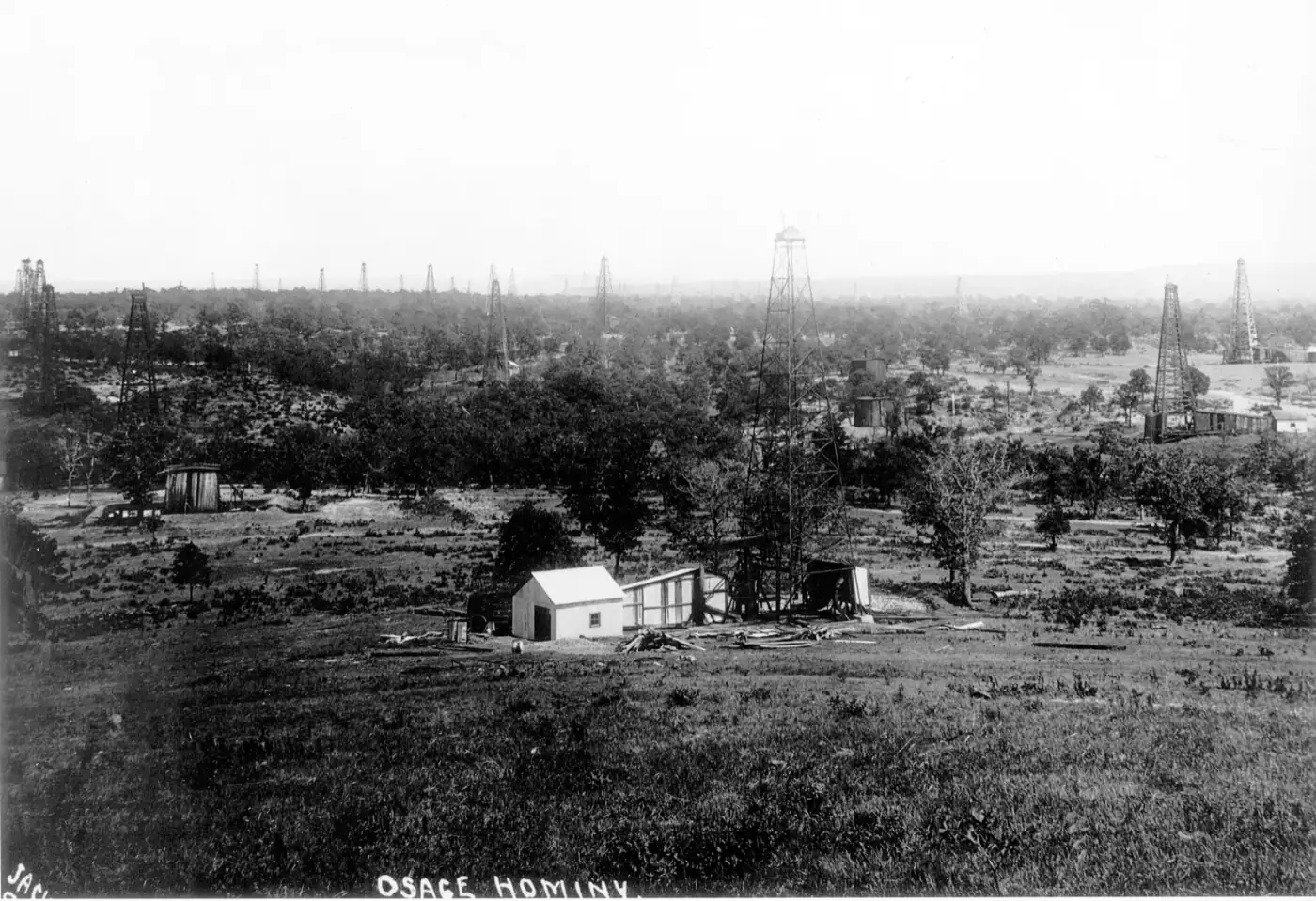
Yes. The Surface Damages Act (52 O.S. 318.2 to 318.9, operative July 1, 1982) requires the operator to give the surface owner written notice of intent to drill and to negotiate surface damages in good faith; each operator must post a 25,000 dollar bond or equivalent with the Secretary of State.
- Rule
- Yes
- Authority
- 52 O.S. 318.5(A)
If no agreement is reached, the operator must petition the district court for three appraisers, may enter after filing, and either side may take exceptions or demand a jury; willful entry without notice, agreement or an appraiser petition exposes the operator to treble damages.
The state’s other mineral law is on AMR’s Oklahoma page.
Read in the Law Atlas review of October 1, 2026
14. South Dakota, notice and compensation by statute
Yes. SDCL chapter 45-5A (1982) requires the mineral developer to give the surface owner written notice of surface disturbing activities at least 30 days before operations start (45-5A-5) and to pay damages for loss of agricultural production, lost land value and lost value of improvements caused by mineral development (45-5A-4), with treble damages possible for failure to negotiate in good faith (45-5A-4.1).
- Rule
- Yes
- Authority
- SDCL 45-5A-4
Mineral development means exploration or drilling of an oil and gas well or mineral test hole commenced after June 30, 1982, and the ensuing oil and gas production operations (45-5A-3).
The state’s other mineral law is on AMR’s South Dakota page.
Read in the Law Atlas review of October 1, 2026
15. Tennessee, a surface owner statute
A surface owner compensation statute exists, but its text was not read. The Court of Appeals states that Tenn. Code Ann. 60-1-601 et seq. vests the oil and gas board with power to compensate landowners for damages caused by oil and gas operators (Lueking v. Cambridge Resources, 2012).
- Rule
- Statute found
Whether it requires notice before entry, how damages are set, and how claims are filed are unverified.
The state’s other mineral law is on AMR’s Tennessee page.
Read in the Law Atlas review of October 1, 2026
16. Utah, a limited statute
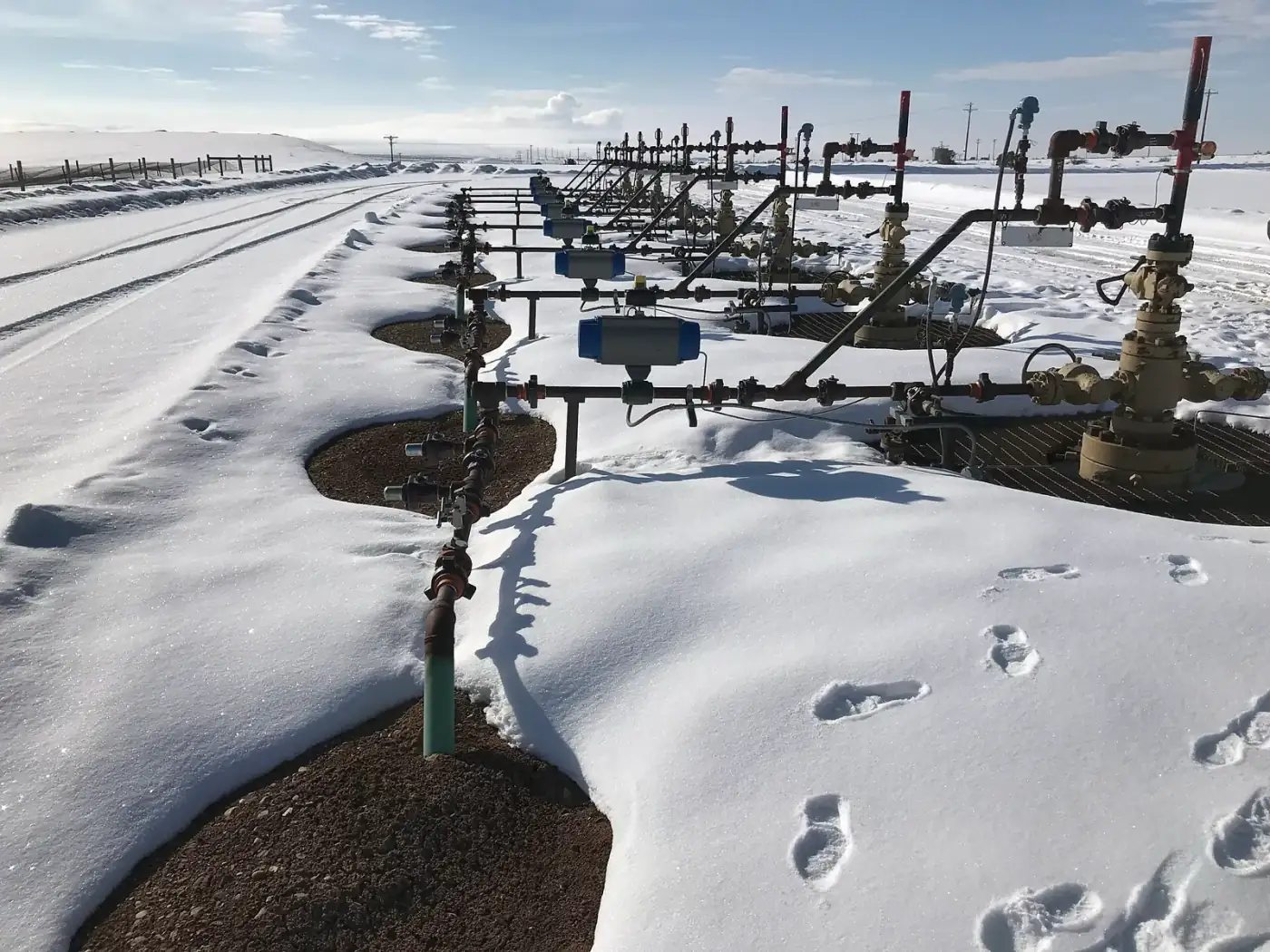
Yes, in limited form. Utah Code 40-6-20 (2012) requires an owner or operator, except as reasonably necessary for operations, to mitigate access effects, minimize interference and compensate the surface land owner for unreasonable crop loss, loss of value to existing improvements and permanent damage; 40-6-21 offers non binding mediation on the amount.
- Rule
- Yes, in limited form
- Authority
- Utah Code 40-6-20(2)(c)
A lease or surface use agreement controls where one exists. No statutory notice requirement was found in the sections read.
The state’s other mineral law is on AMR’s Utah page.
Read in the Law Atlas review of October 1, 2026
17. West Virginia, notice and compensation by statute
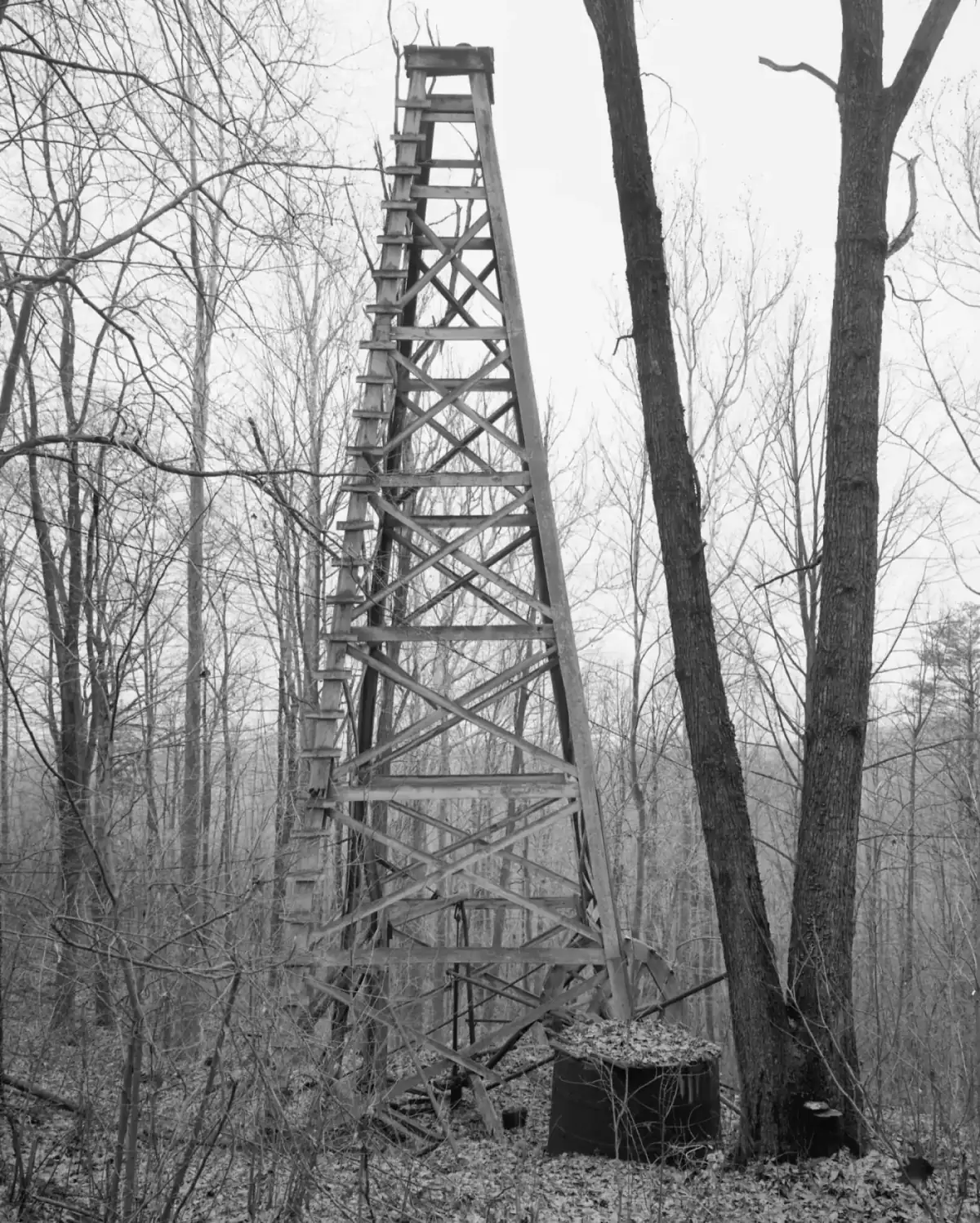
Yes. The Oil and Gas Production Damage Compensation article (W. Va. Code 22-7) obliges the oil and gas developer, for drilling operations commenced after June 9, 1983, to compensate the surface owner for lost use of occupied land, destroyed crops, damage to a water supply in use, repair of personal property, and diminution in value of the surface.
- Rule
- Yes
- Authority
- W. Va. Code 22-7-3(a)
The surface owner must notify the developer of the damages within two years after the developer files notice that reclamation is commencing, and the compensation cannot be reduced by a deed, lease or contract made after June 9, 1983.
The state’s other mineral law is on AMR’s West Virginia page.
Read in the Law Atlas review of October 1, 2026
18. Wyoming, notice and compensation by statute
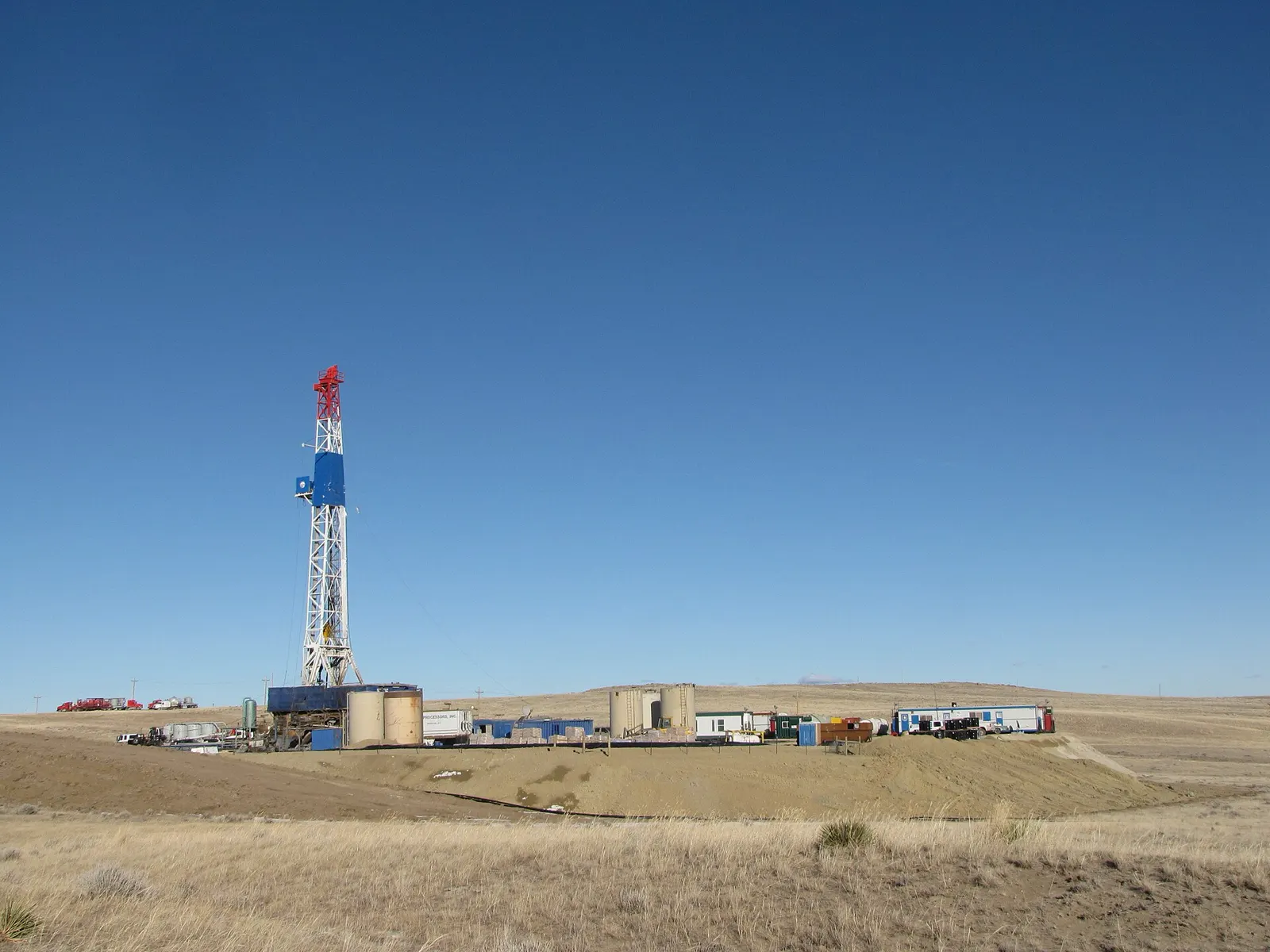
Yes. W.S. 30-5-401 to 30-5-410 (entry to conduct oil and gas operations) require notice to surface owners, condition entry on consent, a surface use agreement, a waiver or a bond, and require the operator to pay the surface owner for loss of production and income, loss of land value and loss of value of improvements.
- Rule
- Yes
- Authority
- W.S. 30-5-405(a)(i)
A surface owner gives notice of damages within two years of discovery and may sue if no acceptable offer is made.
The state’s other mineral law is on AMR’s Wyoming page.
Read in the Law Atlas review of October 1, 2026
All 50 states and D.C.
| Surface damage act | Statute read | |
|---|---|---|
| Alabama | None identified | No statute identified in the review |
| Alaska | Statute found | AS 38.05.130 |
| Arizona | None identified | No statute identified in the review |
| Arkansas | None identified | No statute identified in the review |
| California | None identified | No statute identified in the review |
| Colorado | Statute found | C.R.S. 34-60-106(3.5) |
| Connecticut | None identified | No statute identified in the review |
| Delaware | None identified | No statute identified in the review |
| District of Columbia | None identified | No statute identified in the review |
| Florida | None identified | No statute identified in the review |
| Georgia | None identified | No statute identified in the review |
| Hawaii | Statute found | HRS § 182-3(a) |
| Idaho | Statute found | Idaho Code § 47-334(3)(c) |
| Illinois | Statute found | 765 ILCS 530/6(A)(1), (B) |
| Indiana | Statute found | IC 32-23-7-6(3) |
| Iowa | Statute found | 2026 Iowa Acts ch. 1141, § 11 (new Iowa Code § 458A.26(2)(a)) |
| Kansas | None identified | No statute identified in the review |
| Kentucky | Statute found | KRS 353.595(5) |
| Louisiana | None identified | No statute identified in the review |
| Maine | None identified | No statute identified in the review |
| Maryland | None identified | No statute identified in the review |
| Massachusetts | None identified | No statute identified in the review |
| Michigan | None identified | No statute identified in the review |
| Minnesota | None identified | No statute identified in the review |
| Mississippi | None identified | No statute identified in the review |
| Missouri | None identified | No statute identified in the review |
| Montana | Statute found | MCA 82-10-504(1)(a) |
| Nebraska | None identified | No statute identified in the review |
| Nevada | None identified | No statute identified in the review |
| New Hampshire | None identified | No statute identified in the review |
| New Jersey | None identified | No statute identified in the review |
| New Mexico | Statute found | NMSA 1978, 70-12-4(A) |
| New York | None identified | No statute identified in the review |
| North Carolina | Statute found | G.S. 113-420(b) |
| North Dakota | Statute found | N.D.C.C. 38-11.1-04 |
| Ohio | None identified | No statute identified in the review |
| Oklahoma | Statute found | 52 O.S. 318.5(A) |
| Oregon | None identified | No statute identified in the review |
| Pennsylvania | None identified | No statute identified in the review |
| Rhode Island | None identified | No statute identified in the review |
| South Carolina | None identified | No statute identified in the review |
| South Dakota | Statute found | SDCL 45-5A-4 |
| Tennessee | Statute found | Lueking v. Cambridge Resources, Inc. (Tenn. Ct. App. Dec. 21, 2012), slip op. 6 |
| Texas | None identified | No statute identified in the review |
| Utah | Statute found | Utah Code 40-6-20(2)(c) |
| Vermont | None identified | No statute identified in the review |
| Virginia | None identified | No statute identified in the review |
| Washington | None identified | No statute identified in the review |
| West Virginia | Statute found | W. Va. Code 22-7-3(a) |
| Wisconsin | None identified | No statute identified in the review |
| Wyoming | Statute found | W.S. 30-5-405(a)(i) |
Common questions
What is a surface damage act?
A state statute that requires an oil and gas operator to notify the surface owner, negotiate, and pay for damage caused by drilling and production.
Does Texas have a surface damage act?
No statute was identified, so in Texas the lease, any surface use agreement and the courts set what the operator owes.
Is a surface use agreement the same thing?
No. A surface use agreement is a contract between the surface owner and the operator; a surface damage act is the law that applies when there is no agreement, and in some states it requires one.
Who gets paid under these acts, the mineral owner or the surface owner?
The surface owner. Royalties go to the mineral owner; surface damages compensate whoever owns the land on top.
Summary
18 states have a statute that makes operators notify and pay surface owners; elsewhere the lease and the courts decide. Each state’s full record, with pooling and dormant mineral law, is in AMR’s Mineral Rights by State.
Sources
Each statute is linked in its row of the table above, and every source with its pinpoint and access date is in the source register.
Cite this list
American Mineral Registry. "Surface Damage Acts by State: The 18 States With a Statute (2026)." Release 2026.10.1, October 5, 2026. https:// americanmineralregistry.com/ research/ surface-damage-acts-by-state
[Surface Damage Acts by State: The 18 States With a Statute (2026)](https:// americanmineralregistry.com/ research/ surface-damage-acts-by-state), American Mineral Registry, release 2026.10.1 (October 5, 2026).
<a href="https:// americanmineralregistry.com/ research/ surface-damage-acts-by-state">Surface Damage Acts by State: The 18 States With a Statute (2026)</ a>, American Mineral Registry, release 2026.10.1 (October 5, 2026).
@online{amr_surface_damage_acts_by_state_the_18_states_with_a_statute_2026_2026101,
  author = {{American Mineral Registry}},
  title = {Surface Damage Acts by State: The 18 States With a Statute (2026)},
  version = {2026.10.1},
  date = {2026-10-05},
  url = {https://americanmineralregistry.com/research/surface-damage-acts-by-state}
} TY - ELEC AU - American Mineral Registry TI - Surface Damage Acts by State: The 18 States With a Statute (2026) ET - 2026.10.1 DA - 2026/10/ 05 UR - https:/ / americanmineralregistry.com/ research/ surface-damage-acts-by-state ER -